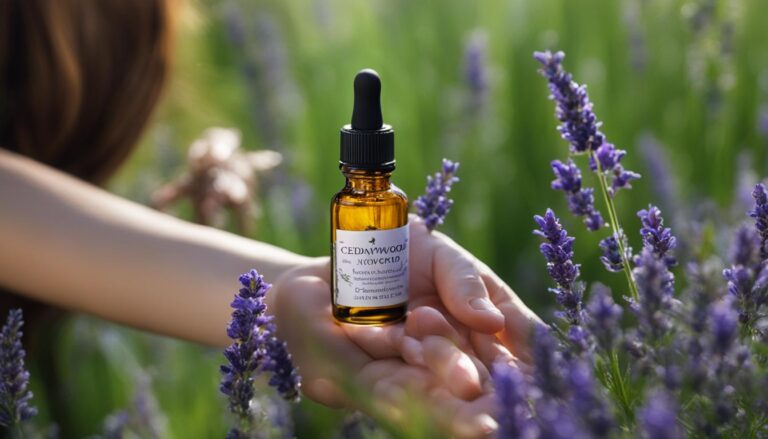
Discover New Zealand’s Exquisite Manuka Essential Oil

Australia, it’s time to uncover the magic of New Zealand’s Manuka essential oil. This extraordinary natural remedy comes straight from the heart of the East Cape region, known for producing extraordinarily pure Manuka essential oil with impressive healing properties. In a world that is continuously seeking alternative ways to maintain wellness, organic Manuka oil is emerging as a prized solution to many health concerns.
You might have heard of Manuka honey, but now it’s time to dive deeper into the world behind this beautiful, fragrant oil. In the upcoming sections, you’ll learn about its vast benefits, how it has been used throughout history, and how you can incorporate it into your daily routine for a more vibrant and healthier life. So go on, let Manuka essential oil from New Zealand become your trusted partner for a better tomorrow.
Unlocking the Secrets of Manuka Essential Oil
Manuka Essential Oil hailing from New Zealand’s East Cape offers over 40% triketones, signifying its superior therapeutic grade. It is carefully crafted through steam distillation, harnessing the essence of Manuka leaves from the robust Manuka trees.
Customers who have utilized the oil for various medicinal and aromatherapy purposes report significant health improvements, noting its depth in aroma that does not overwhelm or cause discomfort often associated with other essential oils. East Cape Manuka is particularly esteemed for its myriad benefits to natural wellness.
I have been using Manuka Essential Oil for a few months, and it has quickly become a staple in my daily routine. The scent is pleasant and not overpowering, making it perfect for my aromatherapy sessions.”
In addition to its enticing aroma, Manuka Essential Oil boasts a range of health benefits that make it a highly sought-after addition to any holistic wellness plan. Some of these benefits include:
- Anti-inflammatory properties
- Antibacterial and antifungal effects
- Immune system support
- Skin health enhancement
| Health Benefit | Description |
|---|---|
| Anti-inflammatory properties | Manuka Essential Oil has been shown to reduce inflammation, making it effective for treating a variety of inflammatory skin conditions. |
| Antibacterial and antifungal effects | Its potent antimicrobial properties make Manuka Essential Oil an effective remedy against bacterial and fungal infections. |
| Immune system support | Manuka Essential Oil can help improve immune health by supporting the body’s natural defense mechanisms. |
| Skin health enhancement | Manuka Essential Oil is known for its ability to soothe and nourish the skin, making it perfect for everyday skincare routines. |
With its impressive range of health benefits, Manuka Essential Oil is a valuable addition to anyone seeking to improve their well-being through aromatherapy and natural wellness practices. Its versatility and gentleness make it suitable for a wide range of applications, from skincare to immune support.
Historical Use of Manuka: A Legacy of Wellness
In the journey towards natural healing, Manuka essential oil has played a significant role in traditional remedies across various cultures. Through the Maori tradition and Western healing practices, Manuka has stood the test of time in showcasing its incredible healing properties.
The Healing Journey Through Maori Tradition
The Maori people, the indigenous Polynesians of New Zealand, have a rich history of using Manuka in their traditional healing practices. They were well-versed in identifying and harnessing the healing properties of Manuka to address various health concerns. Infusions and poultices were created from Manuka leaves and bark, while the seed capsules and sap were chewed for their therapeutic benefits. Additionally, Manuka leaves were steeped and consumed as a beneficial tea.
Manuka has been an integral part of Maori tradition for centuries, with its versatile healing properties cherished and preserved by the community.
Manuka’s Entry into Western Healing Practices
Over time, the remarkable healing properties of Manuka found their way into Western natural health and aromatherapy practices. Its antibacterial, anti-inflammatory, and anti-allergenic properties have made it a valuable addition to an array of treatments and remedies in the Western world. Western practitioners have come to appreciate the versatile applications of Manuka oil in addressing various health concerns and promoting overall wellness.
- Antibacterial: Manuka oil effectively combats bacteria, fungi, and microbes that cause infections.
- Anti-inflammatory: Known to reduce inflammation and soothe painful and swollen areas.
- Anti-allergenic: Helps in alleviating allergy symptoms and strengthening the immune system.
Incorporating Manuka essential oil into daily routines and healing practices, both traditional and modern, fosters a holistic approach to health and wellbeing. As a testament to its time-honoured efficacy, Manuka continues to play a significant role in natural wellness, earning deserved recognition as a versatile and potent remedy.
The Unique Attributes of New Zealand Manuka
New Zealand’s Leptospermum scoparium, commonly known as Manuka, boasts several distinctive properties that distinguish it from its counterparts found elsewhere. This resilient plant thrives even in the face of harsh conditions, thanks to the protective Unique Manuka oil contained within its leaves. This oil not only safeguards the plant from adverse environmental impact, but also offers a myriad of health benefits as a result of its unique chemical composition.
Manuka plants originating from New Zealand’s East Cape region, in particular, possess distinct characteristics that make their derived oil highly esteemed. The region’s unique ecosystem paves the way for a symbiotic relationship between the Manuka plant and its environment, producing a myriad of products that exemplify the properties unique to this realm. One such noteworthy example is the UMF East Cape Manuka Honey, which captures the essence of the East Cape’s rich ecosystem and the valuable properties of its indigenous Manuka.
Products like UMF East Cape Manuka Honey showcase the symbiotic relationship between the Manuka plant and its environment, another product of the East Cape region’s unique ecosystem.
New Zealand Manuka properties extend beyond the plant itself and encompass a broader range of benefits. Some of these advantages include:
- Increased potency due to the region’s ecological factors and specific climate conditions
- Rare biochemical composition found only in New Zealand Manuka
- Promotes environmental diversity and enhances the ecosystem
- Boosts local economy through sustainable harvesting practices
| New Zealand Manuka | Other Varieties of Leptospermum |
|---|---|
| Thrives in New Zealand’s unique East Cape ecosystem | Typically found in Australia and other parts of New Zealand |
| Increased concentration of beneficial compounds | Lower concentration of beneficial compounds |
| Produces high-quality, therapeutic-grade essential oil | Produces oils with varying levels of quality and efficacy |
In conclusion, the Unique Manuka oil derived from New Zealand’s Leptospermum scoparium stands apart from other essential oils due to its remarkable properties, distinctive ecosystem, and valuable therapeutic applications. Harnessing the power of this exceptional oil can bring diverse and potent benefits to the health and wellbeing of those who incorporate it into their daily regimen.
The Science Behind Manuka’s Powerful Properties
Understanding the potency of Manuka essential oil lies in dissecting its unique chemical composition. The healing properties of the oil can be attributed to a specific group of compounds: beta-triketones.
The Chemistry of Healing: Understanding Triketones
The beta-triketones family found in Manuka oil, such as leptospermone and iso-leptospermone, are responsible for its exceptional medicinal qualities. Triketones play a crucial role in defining the therapeutic value of Manuka oil. High-quality oil will contain at least 40% triketones, demonstrating a high level of potency in its healing properties.
Let’s delve deeper into the prominent triketones that make up Manuka oil:
- Leptospermone – a key contributor to the antibacterial and anti-inflammatory properties of Manuka oil, often regarded as the most important beta-triketone.
- Iso-leptospermone –although not as potent as leptospermone, this compound still contributes significantly to Manuka oil’s overall therapeutic qualities.
- Flavesone – an additional triketone compound present in Manuka oil that complements the roles of leptospermone and iso-leptospermone.
These three significant beta-triketones work synergistically to make Manuka oil a powerhouse of healing potential. To better understand the potency of different Manuka oils, let’s take a look at the table below, which breaks down the average triketone content found within various Manuka oil products.
| Manuka Oil Product | Average Triketone Content (%) |
|---|---|
| Standard Manuka Oil | 20-30% |
| High-Quality Manuka Oil | 40% or more |
| Premium Manuka Oil | 50-70% |
As seen in the table, the average triketone content found in Manuka oil products varies significantly depending on the quality of the oil.
It is essential to carefully scrutinize the triketone content in your chosen Manuka oil to ensure you receive the maximum therapeutic benefits it can provide.
By appreciating the exceptional healing properties of triketones in Manuka oil, you can make an informed decision when selecting the right oil to incorporate into your wellness journey. Armed with this knowledge, you can better unleash the extraordinary power of Manuka oil and reap its numerous health benefits.
Manuka Essential Oil Versus Tea Tree Oil
Although Manuka oil and Tea Tree oil share some similarities, they differ remarkably in composition and efficacy. In fact, Manuka oil boasts 30% more antibiotic and antibacterial activity than Australian Tea Tree oil, thus positioning it as a more potent and effective alternative for various skin conditions and concerns. Additionally, Manuka oil is known to be less irritating to the skin, making it an ideal choice for individuals with sensitive skin or for those seeking gentler natural remedies.
These differences in effectiveness and gentleness can be attributed to the unique natural properties of the Manuka plant, which thrives in New Zealand’s diverse ecosystem. By harnessing these intrinsic qualities, Manuka essential oil has emerged as an incredibly versatile and unparalleled therapeutic tool in the world of natural wellness and skincare.
Manuka oil exhibits 30% more antibiotic and antibacterial activity than Australian Tea Tree oil and is less irritating to the skin.
| Attribute | Manuka Oil | Tea Tree Oil |
|---|---|---|
| Antibacterial Activity | Higher (30% more) | Lower |
| Skin Irritation | Less Irritating | More Irritating |
| Uses and Applications | Diverse and Comprehensive | Limited in Comparison |
| Origin | New Zealand | Australia |
Therefore, when it comes to comparing Manuka essential oil and Tea Tree oil, the choice becomes clear. Whether you’re seeking a natural solution for skincare concerns or wish to incorporate a potent, yet gentle, oil into your daily routine, Manuka oil undoubtedly stands out as one of the most effective and versatile natural remedies available today.
Harvesting the Essence: The Production Process
The secret to the pure and potent Manuka essential oil lies in the delicate production process. Through a method called steam distillation, the true essence of Manuka is extracted, preserving its integrity and offering the highest concentration of beneficial compounds.
Steam Distillation: Extracting Purity
Steam distillation is the key to extracting Manuka oil at its finest quality, ensuring the end product is a pure essential oil free from any chemical contaminants. This approach elevates the oil’s value by maintaining its natural state, ultimately offering a pure and potent Manuka essential oil packed with healing triketones.

The steam distillation process involves the circulation of steam through the Manuka leaves, releasing the essential oil embedded within. As the steam travels through the plant material, it gently breaks down cellular components, causing the oil to vaporize and mix with the steam. The mixture is then cooled, forming a pure and potent liquid rich in therapeutic properties.
Steam distillation is a gentle and chemical-free process that ensures customers receive the most authentic form of Manuka essential oil.
This meticulous extraction technique guarantees that the Manuka oil you’re purchasing is of the highest quality, lending itself better to therapeutic uses, aromatherapy, and a range of natural remedies. By choosing a product sourced through steam distillation Manuka oil extraction, you’re investing in unparalleled quality and efficacy.
- Steam is passed through Manuka leaves
- The steam breaks down cellular components, releasing essential oil
- The mixture of steam and oil vaporizes
- Vapor is cooled and collected as pure Manuka essential oil
When buying Manuka essential oil, it’s important to look for indications of steam distillation extraction methods, as this is your assurance of purity, potency, and true therapeutic benefits from the oil.
Incorporating Manuka Oil into Your Daily Routine
Integrating Manuka essential oil into your daily routine can offer a variety of natural health benefits, elevating your overall wellbeing. Given its versatility, Manuka oil blends well with aromatherapy staples such as Lavender and Clary Sage, and can be used neat on the skin or in massage, providing a comprehensive approach to wellness.
To guide you on how to incorporate Manuka oil into your daily routine, here are a few practical suggestions:
- Skincare: Manuka oil’s soothing and antibacterial properties make it an excellent addition to your daily skincare regime. Add a few drops of Manuka oil to your facial cleanser, moisturizer, or serum for healthier and clearer skin.
- Massage: Combine Manuka oil with a carrier oil such as jojoba or sweet almond for a relaxing and therapeutic massage. This aromatic experience can help alleviate muscle tension and promote relaxation.
- Bath: Enhance your bath time by adding a few drops of Manuka oil to the running water. This will create a luxurious bath with calming and rejuvenating aromatherapy benefits.
- Diffusion: Blend Manuka oil with other essential oils like lavender and eucalyptus for a balanced, calming, and refreshing ambience in your home.
Experiment with various aromatherapy uses and blends to unleash the full potential of Manuka oil in promoting optimal health:
| Manuka Oil Blends | Purpose |
|---|---|
| Manuka + Lavender | Calming and relaxation |
| Manuka + Clary Sage | Hormonal balance and stress relief |
| Manuka + Eucalyptus | Immune support and respiratory health |
| Manuka + Rosemary | Memory enhancement and mental clarity |
“Incorporating Manuka oil into my daily routine has helped me maintain a healthy lifestyle, both physically and emotionally. It has truly made a positive impact on my wellbeing.”
In conclusion, including Manuka oil in your daily routine can provide a wide array of natural health benefits and enhance your aromatherapy experience. Embrace the various applications of Manuka oil for a holistic approach to health and wellness.
Exploring the Multifaceted Benefits of Manuka Oil

Manuka oil has a wide array of applications, offering numerous health benefits in areas such as skincare and immune support. Known as a natural remedy, this versatile oil can be an essential addition to your wellness routine.
From Skin Care to Immune Support: A Panacea
Apart from its well-known antibacterial properties, Manuka oil skincare can provide relief for various skin conditions. For instance, it has shown effectiveness against rosacea, significantly reducing redness and bumps. Additionally, Manuka oil’s anti-inflammatory properties make it a soothing solution for issues like acne, eczema, and other irritations.
The magic of Manuka oil doesn’t stop at skincare, it also offers immune support by promoting a healthy, balanced immune system. By incorporating the oil into inhalation practices or massaging it into the skin, you can experience the following natural remedy benefits:
- Relief from cold and flu symptoms
- Reduced congestion and respiratory discomfort
- Antifungal action against conditions like athlete’s foot and fungal nail infections
- Enhanced relaxation and stress reduction, contributing to overall well-being
“Manuka oil has been a lifesaver for me. I’ve struggled with skin issues and allergies, and since incorporating Manuka oil into my skincare and aromatherapy routine, I’ve noticed significant improvements. It’s become my go-to natural remedy.”
Given the different health concerns it can address, Manuka oil has solidified its reputation as a panacea in the world of natural wellness. Here’s a table illustrating the various applications and benefits of this potent essential oil:
| Application | Benefits |
|---|---|
| Skincare | Antibacterial, anti-inflammatory, and moisturising properties help in treating acne, eczema, rosacea, and other skin irritations. |
| Immune support | Promotes a healthy immune system and provides relief from cold and flu symptoms, congestion, and respiratory discomfort. |
| Antifungal properties | Effectively addresses fungal infections such as athlete’s foot and toenail fungus. |
| Aromatherapy | Enhances relaxation, reduces stress, and supports overall well-being. |
Experience the rich benefits of Manuka oil by incorporating it into your daily routine. Your skin and immune system will thank you for tapping into this powerful natural remedy.
Choosing the Right Manuka Essential Oil
When it comes to selecting Manuka oil, ensuring you purchase a high-quality product is crucial to experiencing the oil’s full therapeutic potential. There are several key factors that contribute to the quality of Manuka essential oil, including its origin, extraction method, and triketone content.
The East Cape region of New Zealand is known for producing some of the finest Manuka essential oil due to its unique environmental conditions that yield high triketone content. Typically, a therapeutic grade Manuka oil will contain at least 40% triketones, which is a clear indicator of the oil’s potency and efficacy.
Another essential aspect to consider when selecting Manuka oil is the extraction method. Steam distillation is the preferred method, as it maintains the integrity of the beneficial compounds found in the oil, without the use of harsh chemicals.
Remember, a high-quality Manuka oil will be sourced from the East Cape region of New Zealand, contain a high concentration of triketones, and be extracted using steam distillation.
In addition to these factors, you should also consider the manufacturer’s reputation and commitment to sustainable practices. Some companies may offer certifications, like organic or sustainably sourced products, which can provide added assurance of the oil’s quality and ethical production.
| Factor | Importance |
|---|---|
| Origin | High-quality Manuka oil is typically sourced from the East Cape region of New Zealand. |
| Extraction Method | Steam distillation is the preferred method for extracting pure and potent Manuka essential oil. |
| Triketone Content | Therapeutic grade Manuka oil will contain at least 40% triketones, indicating its potency. |
| Sustainability and Certifications | Look for companies that prioritize sustainability and organic certifications for added assurance of quality and ethical production. |
By paying close attention to these factors and doing your research, you can be confident in your choice of Manuka essential oil, and fully harness the power of this incredible natural remedy.
Nature’s Gift: The Sustainability of Manuka Oil
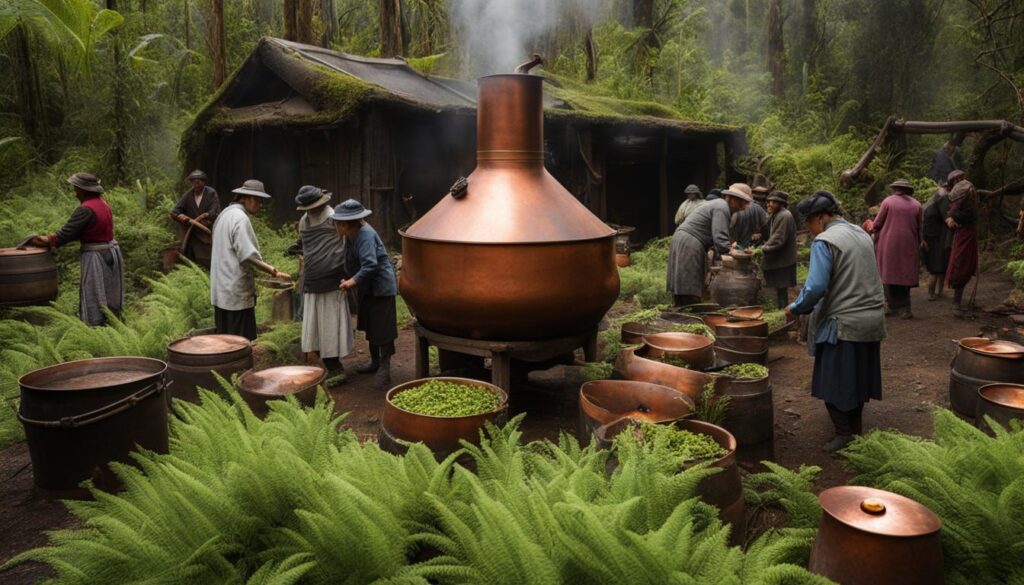
Not only does Manuka Oil offer extraordinary benefits for health and wellness, but the sustainable methods employed during its production make it a sound choice for eco-conscious users. Let’s explore how sustainable Manuka oil production supports both environmental stewardship and community development through a thoughtful and responsible approach to the resource.
Promoting Environmental and Community Wellbeing
One of the key areas benefiting from the sustainable production of Manuka Oil is the small town of Te Araroa in New Zealand. Te Araroa’s inhabitants rely heavily on the income generated from harvesting Manuka leaves, making it an essential part of the local economy. By employing sustainable practices in Manuka oil production, communities such as this can thrive while responsibly harnessing the resource.
These sustainable practices also have a positive environmental impact, preserving the land in which Manuka trees grow. This is achieved by conducting responsible, controlled harvesting, using non-destructive techniques to collect leaves whilst ensuring the tree remains healthy and intact. In this way, the delicate balance between industry and nature is maintained, safeguarding the environment for future generations.
By employing sustainable practices in Manuka oil production, communities such as Te Araroa can thrive while responsibly harnessing the resource.
Manuka tree planting initiatives further contribute to community development and environmental health. Local schools and organizations, for instance, participate in reforestation efforts by planting native trees, including the Manuka tree. These activities create a sense of community pride and encourage a connection with nature, while simultaneously promoting the sustainable production of Manuka Oil.
- Controlled harvesting: collecting leaves using non-destructive techniques
- Tree planting initiatives: reforestation efforts involving local communities
- Community development: promoting education, job opportunities, and local pride
- Environmental preservation: ensuring the balance between industry and nature for future generations
In conclusion, by choosing products derived from sustainable Manuka oil production, you can support an environmentally responsible industry that positively impacts both local communities and the environment. Not only do you receive the wonderful health benefits associated with Manuka Oil, but you actively contribute to a brighter and healthier future for all.
In Conclusion: Embrace the Power of Manuka Essential Oil
By incorporating New Zealand’s Manuka Essential Oil into your daily routine, you benefit from its astounding therapeutic potency as well as its rich history of natural wellness. Sourced from the East Cape region, this high-quality oil boasts remarkable healing properties, making it a valuable addition to holistic wellbeing practices.
Moreover, its eco-friendly and harmonious production methods positively impact the communities involved in harvesting the precious Manuka leaves. This delicate balance between industry and nature ensures that you are supporting ethical and sustainable practices while experiencing the various benefits of Manuka essential oil.
If you have any questions or comments about Manuka oil, the friendly team at Aromatherapy Organisation New Zealand is just an email away. Feel free to reach out at info@aromatherapy.org.nz to discuss the transformative power of Manuka oil and embark on your own journey to holistic healing.
FAQ
What sets New Zealand Manuka essential oil apart from other essential oils?
New Zealand Manuka essential oil, particularly from the East Cape region, is known for its purity, potency, and high concentration of therapeutic triketones. Thanks to its unique chemical composition, Manuka oil offers a wide range of health benefits as well as a variety of applications in aromatherapy and natural wellness.
How is Manuka essential oil extracted?
Manuka essential oil is carefully extracted through steam distillation, a gentle and chemical-free process that preserves the integrity of the oil’s beneficial compounds. This ensures customers receive the purest form of Manuka essential oil, with a high concentration of healing triketones.
How does Manuka essential oil compare to Tea Tree oil?
Manuka oil has 30% more antibiotic and antibacterial activity than Australian Tea Tree oil and can be less irritating to the skin. This makes it a more potent and gentle alternative for various skin conditions and other health concerns.
What are some of the benefits of using Manuka essential oil?
Manuka oil offers a diverse range of benefits, including skincare, immune support, anti-inflammatory, and anti-allergenic properties. It can be highly effective against conditions such as rosacea and is a versatile addition to aromatherapy practices, blending well with other staple oils like lavender and clary sage.
How do I choose the right Manuka essential oil?
When choosing Manuka essential oil, factors like origin, extraction method, and triketone content are crucial in determining the oil’s quality. High triketone Manuka oil, particularly when sourced from the East Cape region and produced via steam distillation, is considered the benchmark for quality.
Is Manuka essential oil a sustainable product?
Yes, Manuka essential oil production involves environmentally conscious practices, emphasizing the balance between industry and nature. The harvesting of Manuka leaves provides income for communities like Te Araroa and contributes to their well-being while maintaining sustainability.