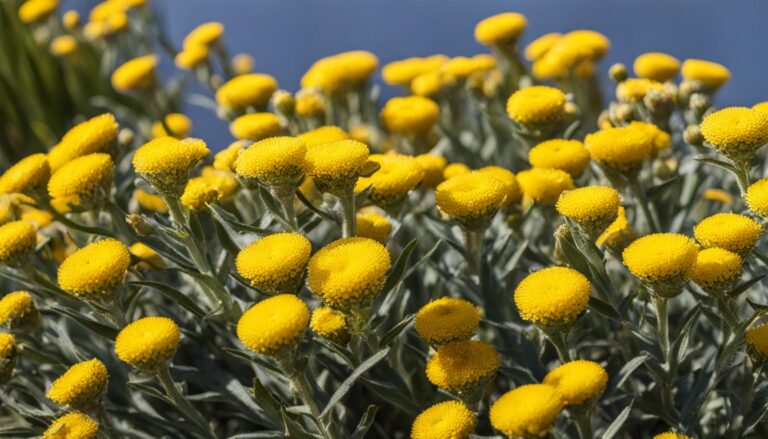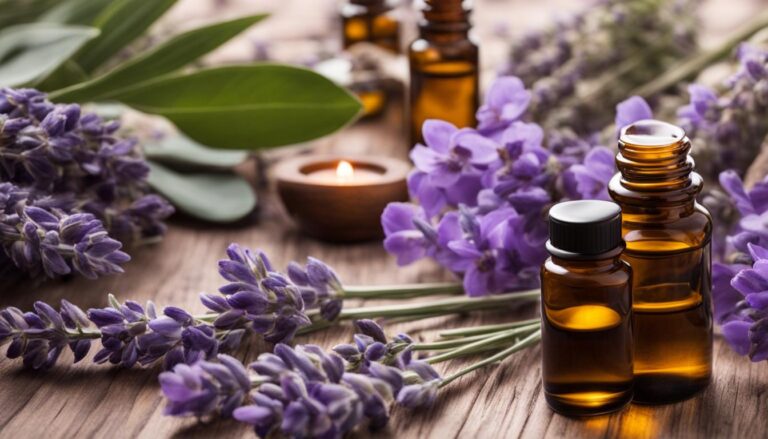
Discover the Benefits of Essential Oils and Aromatherapy Today
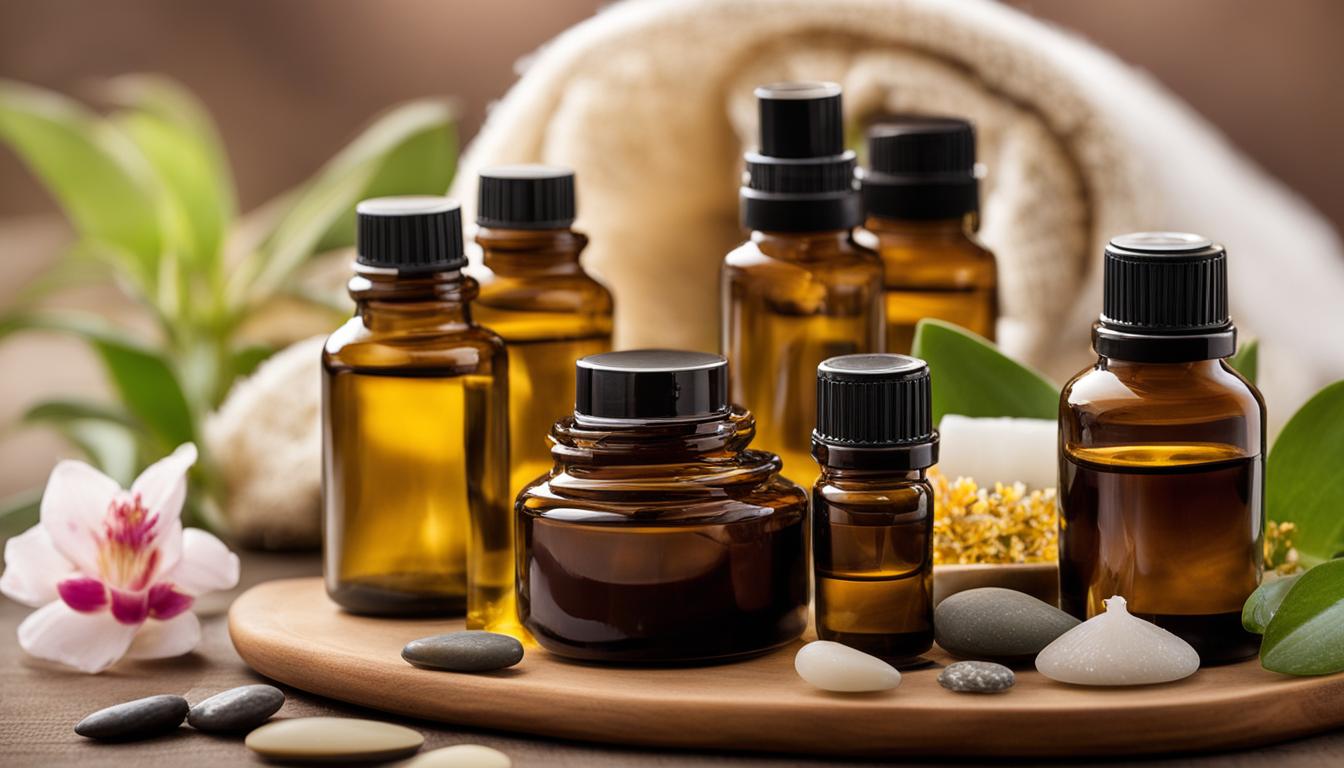
Have you ever considered incorporating the benefits of essential oils and aromatherapy advantages into your daily life? These natural remedies have roots dating back nearly 6,000 years and have been continuously utilised to improve health and mood.
Aromatherapy encompasses the use of therapeutic oils through several application methods, including inhalation and topical application. These techniques offer a myriad of benefits such as respiratory disinfection, psychological well-being, and potential antiviral properties, all while engaging your olfactory system and influencing the limbic area of your brain, which is responsible for emotions and physiological functions. Just remember, when using essential oils topically, it is important to dilute them with a carrier oil to prevent skin irritation or allergic responses. As always, it’s crucial to be aware that these natural products contain chemicals that can be hazardous if not used correctly, highlighting the importance of following professional advice.
Unveiling the Essence of Aromatherapy and Its Historical Roots
aromatherapy, a powerful and versatile healing modality, boasts a rich history of aromatherapy dating back millennia. Essential oil therapy has captivated cultures worldwide and has been utilised for their numerous benefits stemming from holistic healing traditions.
From ancient civilisations to modern-day practice, the applications of essential oils for health, wellness, and spiritual purposes have evolved yet remained steadfastly important. The National Association for Holistic Aromatherapy (NAHA) has recognised the wide-ranging benefits of essential oils and their role within holistic healing traditions. Revitalising the ancient wisdom through essential oil therapy today, we strive for an enhanced quality of life and overall well-being.
Essential oils have been utilised since 1800 BCE, demonstrating their longstanding significance in human wellness, adorning rituals and various forms of traditional medicine.
Throughout time, the history of aromatherapy reveals a continued search for healing, with fundamental ingredients being used to boost immunity and treat illnesses across civilisations:
- Ancient Egyptians: Employed essential oils during rituals, aesthetics, religious practices, and for embalming.
- Greek and Roman Empires: Utilised aromatic plants and essential oils for therapeutic purposes, bathing rituals, and perfumery.
- Ayurveda: This ancient Indian medical system incorporated aromatic oils and herbs in holistic healing methods, balancing the mind, body, and spirit.
- Traditional Chinese Medicine: Essential oils were integrated into ancient treatments for addressing various health concerns and restoring energetic balance.
| Ancient Civilisation | Primary Uses |
|---|---|
| Ancient Egyptians | Rituals, aesthetics, religious practices, embalming |
| Greek and Roman Empires | Therapeutic purposes, bathing rituals, perfumery |
| Ayurveda (India) | Holistic healing methods, balancing mind, body, and spirit |
| Traditional Chinese Medicine | Treatment for health concerns, restoring energetic balance |
As the history of aromatherapy unfolds, we continue to witness a remarkable resurgence of the practice. With roots firmly based in the holistic healing traditions of the past, the resurgence of essential oil therapy in contemporary life enriches our overall well-being and fosters an enduring connection with nature and its abundant gifts.
The Intricate Journey from Plant to Essential Oil

Essential oils have become increasingly popular for their alluring aroma and numerous health benefits. This section delves into the complex journey undertaken from raw plant material to the potent essential oil, highlighting how these fragrant compounds are extracted and the significance of their purity and potency.
How Essential Oils Are Extracted
The extraction of essential oils is a meticulous process governed by the International Standards Organization (ISO), which ensures that the potent compounds responsible for a plant’s essence and aroma are captured. Raw plant materials undergo different methods of extraction, including:
- Steam distillation: A common method where steam is passed through plant material, causing the oil to evaporate and then cooled to collect the condensed oil.
- Mechanical processing: Implementing expression or cold-pressing techniques to extract essential oils from citrus fruits.
- Dry distillation: Heating plant material in the absence of air, resulting in the release of essential oil vapours which are subsequently collected.
Each extraction method is tailored to suit the specific plant type and yield optimal results, ultimately providing high-quality essential oils with preserved potency.
The Purity and Potency of Plant-Based Extractions
The purity of essential oils determines their efficacy, and it is crucial that these natural extracts are obtained from plant-based sources without contamination or dilution. A single bottle of essential oil may require several pounds of plant material, ensuring the final product embodies the plant’s essence and functional attributes, such as antimicrobial and antioxidant capabilities.
“An essential oil’s purity and potency are essential factors contributing to its therapeutic and aromatic qualities.”
To fully appreciate the value of essential oil purity, consider this table illustrating the approximate amount of plant material needed to produce a single 15ml bottle of essential oil:
| Essential Oil | Amount of Plant Material |
|---|---|
| Lavender | 27-34 kgs |
| Rose | 1,600-2,400 kgs |
| Peppermint | 20-28 kgs |
Familiarising yourself with these key aspects of essential oil extraction, purity, and potency can help you better understand the intricate process involved in capturing the therapeutic properties and alluring aroma of these natural extracts.
Harmonising Mind and Body: The Holistic Advantages of Aromatherapy
The holistic benefits of aromatherapy have long been praised for promoting mind-body harmony. By targeting the olfactory nerves and influencing key areas in the brain, notably the emotional core, aromatherapy helps individuals achieve emotional wellbeing and overall better health.
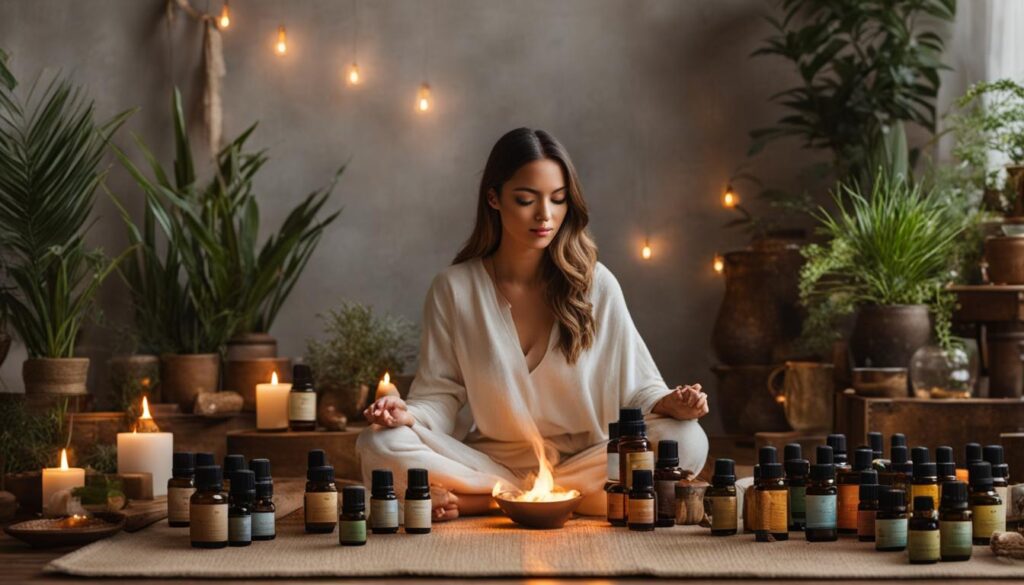
Aromatherapy works through direct inhalation or skin absorption, mobilising the therapeutic properties of essential oils and providing potential aid in various aspects of mental and physical health. These aspects include:
- Stress reduction
- Enhanced sleep quality
- Psychological wellbeing
These benefits are further supported by the historical use of essential oils in improving the health of individuals and communities.
“Aromatherapy can be described as a harmonious blend of art and science that supports the body’s innate healing process in a gentle and holistic manner.” – Leonie Gully, Aromatherapist (Australia)
As more people seek natural alternatives to support their emotional and mental wellbeing, the popularity of aromatherapy continues to increase. The table below highlights several essential oils commonly used for their therapeutic properties and overall contribution to mind-body harmony.
| Essential Oil | Properties | Benefits |
|---|---|---|
| Lavender | Calming, soothing, sedative | Reduces stress, promotes relaxation, improves sleep |
| Peppermint | Refreshing, invigorating, cooling | Boosts energy, mental alertness, and focus |
| Chamomile | Gentle, calming, healing | Relieves tension, calms nerves, aids digestion |
By incorporating these essential oils and other aromatherapy practices into daily routines, individuals can experience a heightened sense of emotional wellbeing and overall health improvement. When used responsibly and under the guidance of a qualified practitioner, aromatherapy presents a holistic approach to nurturing the delicate balance between body and mind.
A Deep Dive into the Most Popular Essential Oils and Their Uses
Essential oils have been widely embraced for their versatile properties and benefits. In this section, we highlight three popular essential oils and how they can be used to support health and well-being.
Lavender for Calmness and Sleep
Lavender essential oil is renowned for promoting relaxation and acting as a natural sleep aid. Its soothing fragrance has been proven to help relieve stress and enhance overall calmness. Lavender oil is also praised for its ability to alleviate the symptoms of headaches and migraines.
- Diffuse lavender oil in the bedroom to create a relaxing atmosphere before sleep.
- Apply diluted lavender oil to the temples or pillow to help with headaches and migraines.
- Add a few drops of lavender oil to a warm bath for a calming aromatherapy experience.
Tea Tree Oil’s Antiseptic Properties
Renowned for its powerful natural antiseptic properties, tea tree oil is commonly used in various skin care treatments. Its antimicrobial and anti-inflammatory properties make it effective in addressing acne, dandruff, and minor skin abrasions. However, tea tree oil can be toxic if ingested, so it should only be used topically.
- Add a few drops of tea tree oil to your shampoo to help treat dandruff.
- Create a homemade acne treatment by adding tea tree oil to a carrier oil.
- Apply tea tree oil diluted with a carrier oil to minor cuts and abrasions as an antiseptic.
Peppermint for Digestive and Headache Relief
Due to its digestive benefits, peppermint oil is often chosen to help with irritable bowel syndrome (IBS) symptoms and upset stomachs. Additionally, its menthol content and muscle-relaxing effects make it an excellent remedy for headaches and migraines.
“Peppermint oil’s versatility makes it a popular choice for those seeking natural relief from various ailments.”
| Use | Instructions |
|---|---|
| Digestive Aid | Massage diluted peppermint oil onto the abdomen to help ease digestive discomfort. |
| Headache Relief | Apply diluted peppermint oil to the temples or back of the neck to alleviate headaches and migraines. |
| Energy Boost | Inhale peppermint oil directly from the bottle or diffuse it in the room to enhance focus and alertness. |
These examples of essential oil applications provide a snapshot of the breadth of natural remedies available at your fingertips. By exploiting the unique properties of lavender, tea tree, and peppermint oils, you can support a healthier, happier lifestyle.
The Art of Blending Essential Oils for Enhanced Benefits
In their pure form, essential oils provide numerous benefits by addressing a variety of health and wellness concerns. However, the true potential of these therapeutic oils is unlocked when they are combined in a harmonious blend. This practice, known as blending essential oils, aims to create a synergistic effect by allowing individual oil properties to complement and enhance each other.
Professional aromatherapists have developed expertise in blending essential oils with accuracy and precision, fostering therapeutic blends tailored specifically for an individual’s needs. By taking into account the medical history, lifestyle choices, and current health conditions of a person, these experts can recommend blends designed to maximise therapeutic outcomes.
“Blending essential oils is an art form that elevates their individual benefits by creating synergistic effects tailored to individual needs.” – Professional Aromatherapist
There are various factors to consider when selecting essential oils for a blend, such as fragrance notes and desired therapeutic effects. For instance, top notes such as lemon and peppermint are typically light, uplifting and quickly evaporating, while base notes like cedarwood and frankincense are heavier, grounding and longer-lasting. Finally, middle notes such as lavender and rosemary provide balance and harmony to the blend. By mindfully combining top, middle, and base notes, a harmonious and effective blend can be achieved.
- Analyse individual needs and desired therapeutic outcomes.
- Consider fragrance notes for a balanced aroma.
- Take precautionary measures such as diluting essential oils with appropriate carrier oils.
- Consult a professional aromatherapist if required.
| Combination | Potential Benefits |
|---|---|
| Lavender and Peppermint | Help manage stress and headache relief. |
| Tea Tree and Eucalyptus | Boost immune system and promote respiratory health. |
| Rosemary and Lemon | Increase focus and mental clarity. |
| Chamomile and Cedarwood | Support relaxation and better sleep. |
Ultimately, the art of blending essential oils requires a keen understanding of individual oil properties and their synergistic effects. With proper guidance and adherence to safety measures, these therapeutic blends can unlock a powerful source of wellness and promote overall wellbeing.
Essential Oils in Topical Application and Skincare Routines
Essential oils, when used topically, have the potential to revolutionise your skincare routine. By promoting healthy skin conditions, reducing inflammation, and even aiding in the treatment of conditions such as acne, they can become an essential component of your daily skincare rituals. The key to unlocking the benefits of essential oils skincare is to use them properly – in topical application with appropriate dilution using carrier oils. This ensures their effectiveness while minimising any possible adverse reactions.
Natural beauty remedies often include essential oils due to their myriad of benefits, ranging from soothing irritated skin to revitalising dry or dull complexions. For those looking to achieve a more personalised approach to their skincare, essential oils can be seamlessly incorporated into daily routines like moisturisation or massage, thus extending their benefits beyond aroma diffusion.
“Essential oils can be a valuable addition to your skincare routine when used properly, offering a myriad of natural advantages, such as reducing inflammation and promoting healthier skin conditions.”
When utilising essential oils in your skincare routine, it is vital to consider the following:
- Patch testing on a small area of skin to ensure no adverse reaction occurs
- Using the appropriate carrier oil and dilution ratio for your skin type and the specific essential oil
- Following recommended safety guidelines and advice from healthcare professionals
By exploring the versatile world of essential oils, here are several examples of how these natural extracts can improve the health and appearance of your skin:
| Essential Oil | Carrier Oil | Benefits |
|---|---|---|
| Lavender | Jojoba oil | Calming, soothing, and helps reduce inflammation |
| Tea Tree | Coconut oil | Antimicrobial; helpful for acne-prone skin |
| Frankincense | Argan oil | Fights signs of ageing and promotes skin elasticity |
| Rose | Sweet almond oil | Hydrating and balancing for dry or mature skin |
In conclusion, adding essential oils to your topical application and skincare routine can yield considerable benefits beyond their aromatic qualities. By harnessing the natural healing properties of these plant-derived extracts, you can redefine your approach to beauty and embrace a more holistic and tailored skincare regimen.
Navigating Through the Myths and Facts of Aromatherapy
While aromatherapy offers various benefits, it’s pivotal to understand its limitations and dispel common misconceptions. Not all essential oils will be effective for every individual due to unique body chemistries and potential interactions with medications. For conditions like allergy or asthma, extra caution is required, emphasizing the importance of acquiring professional guidance and recognising the complementary nature of aromatherapy rather than viewing it as a standalone treatment.
Understanding Aromatherapy’s Limitations and Misconceptions
Aromatherapy boasts numerous benefits, but there are also myths and misunderstandings that can lead to incorrect or ineffective usage of essential oils. Some of the most common misconceptions and limitations include:
- Essential oils are risk-free because they’re natural: Although essential oils are derived from natural sources, they can still cause adverse reactions, such as skin irritation or allergic reactions. Always dilute essential oils with a carrier oil and perform a patch test before applying to a larger area, following professional advice.
- All essential oils are suitable for ingestion: Some oils can be highly toxic if ingested, posing serious health risks. It’s crucial to follow the recommendation of a qualified aromatherapist or a healthcare professional before considering ingesting any essential oil.
- Aromatherapy can replace conventional medicine: Aromatherapy should be viewed as a complementary therapy, working in harmony with conventional treatments, rather than a replacement for medical advice or medication. Seek guidance from a healthcare professional before adding essential oils to your healthcare regimen.
To better comprehend the myths and facts surrounding essential oils, consider the following comparison table outlining some common misconceptions and the associated truths:
| Myth | Fact |
|---|---|
| Essential oils can cure all health issues. | Essential oils offer various benefits, but they cannot cure every health issue. They serve as a complementary approach to support overall wellbeing and alleviate specific symptoms. |
| The more potent an oil, the better. | Potency does not necessarily equate to efficacy. Using undiluted oils can result in irritation or other complications. Always dilute essential oils with a carrier oil and follow professional guidance. |
| Essential oils are safe for all pets. | Some essential oils can be harmful to pets, causing respiratory distress or other health issues. Consult with a veterinarian before exposing your pets to aromatherapy. |
In summary, recognizing the limitations of essential oils and debunking common myths is crucial for their responsible and effective use in aromatherapy. By seeking professional guidance, adhering to safety precautions, and acknowledging aromatherapy as a complementary therapy to conventional medicine, you can safely enjoy the benefits of these natural remedies.
Essential Oils and Aromatherapy in Your Daily Life
Incorporating essential oils into your daily life can greatly enhance your health and lifestyle. Their many benefits can be experienced in various areas, from mood elevation and symptom relief for different conditions to even household cleaning. Always ensure a safe approach when using essential oils, such as through aromatherapy accessories or by applying diluted oils on your skin. This will ensure both personal well-being and environmental freshness.
Essential oils open up a world of possibilities, bringing about numerous positive changes to your daily routine. Here are some practical tips on how to integrate these therapeutic oils into your day-to-day life:
- Home fragrances: Diffuse your favourite essential oils in diffusers or humidifiers to create a calming atmosphere and promote clean air.
- Bath time relaxation: Add a few drops of lavender or chamomile oil to your bathwater for a relaxing soak that soothes both mind and body.
- Personal care products: Explore DIY recipes to create natural personal care products, such as perfumes, lip balms, and deodorants, infused with essential oils.
- Cleaning solutions: Mix essential oils like lemon, eucalyptus, or tea tree oil with water, vinegar, and other natural ingredients to craft eco-friendly cleaning solutions.
- Topical applications: Dilute essential oils with carrier oils and massage them onto your skin for targeted relief or beauty treatments.
As you become more familiar with the benefits and versatility of essential oils, you’ll find creative ways to incorporate them into your daily life. Keep in mind that it’s always essential to practice safe aromatherapy by following guidelines and seeking professional advice when necessary.
“Essential oils can have profound effects on the mind and body when incorporated into daily life, creating a balanced, healthier lifestyle.”
In conclusion, daily aromatherapy practices can enrich your life and significantly impact your health and lifestyle. By safely integrating essential oils into various aspects of your routine, you can experience their many benefits and enjoy an enhanced sense of well-being. Remember to always prioritize safety and consult with a professional if you’re unsure about any aspect of using essential oils.
Embarking on Your Aromatherapy Journey
As you initiate your essential oil journey, you’re about to unlock a world of holistic personal care, enriching your life with various physical and emotional benefits. By understanding the historical roots and extraction processes of essential oils, you will be well-prepared to integrate these natural remedies into your daily routine, fostering a deeper connection between your body and mind.
Starting aromatherapy can be a seamless experience, provided that you source essential oils from reputable providers to ensure quality and purity. Delve into their diverse range of applications, exploring how they can enhance your mood, alleviate symptoms, and even serve as natural cleaning agents, taking care to adhere to safety guidelines and properly dilute or diffuse oils as necessary.
Embrace the harmony that essential oils and aromatherapy can bring to your life, elevating your well-being and creating an environment that nurtures both your body and mind. For further guidance or inquiries, don’t hesitate to reach out to info@aromatherapy.org.nz and embark on a journey towards holistic care that spans beyond traditional healthcare.
FAQ
What are the benefits of essential oils?
Essential oils have numerous potential benefits, such as respiratory disinfection, psychological advantages, and potential antiviral properties, along with improving other aspects of health and mood. However, it is crucial to use them correctly and safely for optimal results.
What is the history of aromatherapy?
The use of essential oils for medicinal purposes dates back nearly 6,000 years. The practice has its roots in traditional holistic healing practices aimed at improving overall wellbeing and quality of life.
How are essential oils extracted?
Essential oils are extracted from raw plant materials through a meticulous process, including distillation with water or steam, mechanical processing, or dry distillation, in line with the International Standards Organization (ISO).
How does aromatherapy affect the mind and body?
Aromatherapy stimulates the olfactory nerves and affects the brain, notably the emotional core. It can also help enhance sleep, promote relaxation, and alleviate stress, among other benefits.
What are some popular essential oils and their uses?
Lavender oil is known for promoting calmness and sleep, tea tree oil has antiseptic properties, and peppermint oil offers digestive and headache relief. These are just a few examples, and there are many other essential oils with various applications and benefits.
What is the art of blending essential oils?
Blending essential oils involves creating synergistic combinations of different oils to enhance their individual benefits. Aromatherapists may recommend specific blends for optimal therapeutic outcomes.
How can essential oils be used in skincare routines?
When diluted with carrier oils, essential oils can be applied topically to promote healthy skin, reduce inflammation, and sometimes even treat conditions like acne.
What are some common myths and misconceptions about aromatherapy?
Not all essential oils are effective for everyone, and their effects can be influenced by individual body chemistry and potential interactions with medications. Aromatherapy is best viewed as a complementary therapy rather than a standalone treatment. It is essential to seek professional guidance when using essential oils.
How can I incorporate essential oils and aromatherapy into my daily life?
Essential oils can be integrated into daily routines for mood elevation, symptom relief, and even household cleaning. It is crucial to use them safely, preferably with the guidance of a professional, and invest in reputable, quality products.