Discover the Best Essential Carrier Oils for Alopecia

Are you struggling with hair loss and seeking a natural solution? Essential carrier oils offer a gentle and effective approach to alopecia treatment. By incorporating them into your daily hair care routine, you can stimulate hair regrowth and improve the overall health of your hair and scalp. In this article, we will introduce you to some of the best carrier oils for alopecia, providing you with a toolkit of hair loss remedies for your journey towards healthier locks. We will also discuss how these oils can be used alongside essential oils for optimal results.
Introduction: Understanding Hair Loss and the Power of Essential Oils
Before diving into the world of essential oils for hair growth, it is crucial to comprehend the causes of hair loss and the structure of hair itself. This understanding will provide a solid foundation for using natural hair care remedies, like essential and carrier oils, effectively. Let’s explore the hair’s anatomy and common hair loss causes, such as alopecia, hormonal imbalances, and stress.
The hair is composed of two primary structures: the shaft, which is the visible part of the hair, and the follicle, which is anchored into the skin. The shaft has three layers: the cuticle, cortex, and medulla. The follicle is where growth occurs, with the hair bulb as the starting point. Carrier oils nourish these structures, repairing and moisturizing the hair and scalp to prevent dryness and damage.
Hair loss can be triggered by a variety of factors, such as alopecia, hormonal imbalances, and stress.
Alopecia is an autoimmune disorder that leads to hair loss, affecting both men and women. It occurs when the immune system mistakenly attacks hair follicles, resulting in hair loss. Hormonal imbalances, such as those experienced during pregnancy or menopause, can also cause temporary or permanent hair loss. Additionally, stress can wreak havoc on your hair, leading to thinning and even hair loss in severe cases.
| Hair Loss Causes | Effects on Hair Growth |
|---|---|
| Alopecia | Immune system attacks hair follicles, leading to hair loss |
| Hormonal imbalances | Temporary or permanent hair loss due to hormonal shifts |
| Stress | Hair thinning and, in severe cases, hair loss |
Essential oils have been gaining popularity as a natural hair care remedy, partly due to their restorative and revitalizing properties. By understanding the root causes of hair loss and the efficacy of essential oils, you can harness their power and customize a hair care regimen tailored to your specific needs.
- Identify the cause of your hair loss to determine the most appropriate essential oils and carrier oils for your needs.
- Choose natural hair care remedies, such as essential oils and carrier oils, to nourish and stimulate hair growth.
- Develop a targeted hair care regimen using essential oils, carrier oils, and other natural remedies to protect and restore your hair and scalp’s health.
In the following sections, we will delve into the importance of carrier oils in hair care regimens, their benefits in blending with essential oils, and the best carrier oils for combatting alopecia and promoting hair growth.
The Importance of Carrier Oils in Hair Care Regimens
Carrier oils play a vital role in a successful hair care regimen due to their ability to support the potency of essential oils. These oils provide the necessary foundation for essential oils’ efficacy, ensuring safe application and improved absorption into the skin and hair. Carrier oils also offer a host of additional benefits for overall hair health. This section explores the importance of carrier oils, the benefits of blending essential and carrier oils, and their synergy for hair health.
Carrier Oils: The Base for Essential Oil Efficacy
Carrier oils are crucial in enhancing the potency of essential oils by ensuring safe and effective application. These benign oils, often derived from seeds or nuts, help dilute the potent essential oils for better absorption and reduced chance of skin irritation. When used in hair care regimens, carrier oils provide a solid base, allowing the therapeutic properties of essential oils to work their magic without causing any adverse reactions.
Benefits of Blending Essential and Carrier Oils for Hair Health
Blending essential oils with carrier oils offers various benefits for hair health, as it brings together the nourishing properties of both types of oils. This powerful combination results in moisturized, strengthened hair and a nourished scalp. The synergy of carrier and essential oils provides a plethora of natural hair care benefits.
- Improved absorption: Combining carrier oils with essential oils enhances the absorption into hair and skin, ensuring optimal effectiveness.
- Moisturization: Carrier oils help hydrate and nourish the hair, preventing dryness and breakage. Essential oils such as lavender and tea tree oil also contribute to overall hair hydration.
- Strength and resilience: Carrier oils like argan and coconut oil are rich in essential fatty acids, vitamins, and nutrients, which help strengthen hair and promote overall hair health.
- Optimized hair growth: The synergy of carrier and essential oils supports healthier and more vigorous hair growth. Peppermint, rosemary, and geranium essential oils, when blended with carriers, can stimulate hair follicles and soothe stress-induced scalp conditions.
“Carrier oils not only facilitate the application of essential oils, but they also provide their own set of benefits, making them a necessary component in an effective hair care regimen.” – Aromatherapist Mary Sinclair
| Carrier Oil | Benefits for Hair Health |
|---|---|
| Argan Oil | Promotes hair elasticity, hydration, and protects from environmental damage |
| Coconut Oil | Deeply moisturizes hair, soothes the scalp, and provides a protective layer against environmental stressors |
| Castor Oil | Improves circulation, delivers antifungal properties, and promotes hair growth |
| Jojoba Oil | Hydrates hair, balances scalp oil production, and soothes sensitive scalps |
Incorporating carrier oils in your hair care routine while blending them with the right essential oils can significantly improve the health of your hair and scalp. Embrace the power of carrier and essential oils synergy to build the perfect hair care regimen that caters to your unique needs.
Top Carrier Oils for Combatting Alopecia
To effectively combat hair loss caused by alopecia, selecting the right carrier oils is crucial. Argan, castor, and coconut oils are among the top carrier oils recommended by experts for successfully promoting hair regrowth. These nourishing oils provide essential fatty acids, proteins, and various nutrients that strengthen the hair and create a conducive environment for regrowth.
“In order to see the best results, it is important to choose carrier oils wisely, as they will contribute significantly to the overall health and regrowth of your hair.”
Let’s explore the properties and benefits of these top carrier oils that will help you combat alopecia:
- Argan Oil
- Castor Oil
- Coconut Oil
Argan Oil is known for being rich in vitamin E and antioxidants, both of which play a vital role in hair and scalp health. It nourishes and repairs hair strands while keeping the scalp moisturized. Argan oil also reduces inflammation, making it effective in treating various scalp conditions that may contribute to hair loss.
Next, Castor Oil contains high levels of ricinoleic acid, which is believed to help improve blood circulation in the scalp and stimulate hair growth. Its antibacterial and antifungal properties help maintain a healthy scalp environment, further promoting hair regrowth.
Lastly, Coconut Oil possesses a myriad of benefits for hair and scalp health. Rich in medium-chain fatty acids, it penetrates deep into hair follicles and prevents protein loss. Coconut oil is known to be effective in moisturizing the scalp, reducing inflammation, and controlling dandruff, all of which contribute to creating an ideal environment for hair regrowth.
| Carrier Oil | Key Benefits |
|---|---|
| Argan Oil | High in vitamin E and antioxidants; nourishes and repairs hair strands; keeps scalp moisturized; reduces inflammation; treats various scalp conditions |
| Castor Oil | Contains ricinoleic acid; improves blood circulation in the scalp; stimulates hair growth; has antibacterial and antifungal properties; maintains a healthy scalp environment |
| Coconut Oil | Rich in medium-chain fatty acids; penetrates deep into hair follicles; prevents protein loss; moisturizes the scalp; reduces inflammation; controls dandruff |
By incorporating these top carrier oils into your hair care routine, you can effectively fight alopecia and encourage healthy hair regrowth. Don’t forget to blend your chosen carrier oils with appropriate essential oils for maximum results and synergistic benefits.
Unveiling the Miracles of Argan Oil for Scalp Treatment
Often referred to as ‘liquid gold,’ Argan oil is extracted from the kernels of the Argan tree, native to Morocco. It boasts rich properties that render it an excellent scalp treatment, helping those suffering from alopecia or other hair conditions. Its countless argan oil benefits include intensive moisturising properties, natural antioxidants, and an abundance of Vitamin E.
Regular application of Argan oil has shown a significant improvement in hair strength and density, making it a potent hair strengthening solution. Additionally, it reduces split ends, prevents breakage, and adds overall lustre and shine to your tresses. Dry scalps are no match for Argan oil as it combats seborrheic dermatitis and other dry scalp conditions. Integrating Argan oil into your hair care routine will indeed be transformative for those living with alopecia.

Moreover, Argan oil can be combined with essential oils like peppermint and rosemary to amplify its hair growth-promoting effects. Below is a guide to creating a DIY hair growth blend at home:
- Mix 2 tablespoons of Argan oil with a few drops of peppermint essential oil.
- Warm the mixture slightly to enhance absorption.
- Massage the blend thoroughly onto your scalp, focusing on areas with thinning hair.
- Leave the concoction on for at least an hour or overnight, depending on your preference.
- Wash your hair with a mild shampoo to remove the oil and follow up with a good-quality conditioner.
Repeat this process at least once or twice a week for optimal results and a healthier scalp.
Argan oil is a miracle worker in the world of hair care, offering a range of benefits for various hair types and conditions. It is particularly effective for improving scalp health and promoting hair growth in individuals experiencing alopecia.
Investing in Argan Oil for Alopecia and other scalp treatments will not only help preserve the health and youthfulness of your locks but will also enable you to enjoy the remarkable effects of this liquid gold.
In summary, incorporating Argan oil into your hair care routine will provide a multitude of benefits such as scalp treatment, hair strengthening, and support for alopecia sufferers. This natural gem is undoubtedly worth exploring, and your hair and scalp will thank you for the commitment.
Castor Oil: The Traditional Solution for Hair Regrowth
One of the most effective and time-tested treatments for hair regrowth is the use of castor oil. For centuries, people have sworn by the incredible benefits of castor oil for hair. Its unique properties make it a highly potent and traditional hair regrowth solution, offering a wealth of benefits to your hair and scalp.
Ricinoleic acid, a primary component of castor oil, is believed to play a significant role in promoting hair growth. It may help inhibit prostaglandin D2, a compound linked to hair loss. Castor oil is also famous for its ability to improve scalp circulation, which is essential for nourishing and strengthening your hair follicles.
“Castor oil has been used for centuries as a traditional remedy for hair loss. It is a powerful and natural way to encourage the regrowth of healthy hair and improve overall hair health.”
- Promotes hair growth
- Enhances scalp circulation and nourishment
- Deeply moisturizes hair
- Antifungal and antibacterial properties
- Ricinoleic acid to inhibit hair loss-associated compounds
Furthermore, castor oil possesses powerful antifungal and antibacterial properties, which help keep your scalp healthy and free from infections. Its nutrients, including vitamins E, A, and B, and essential fatty acids, work together to create an ideal environment for healthy hair growth.
Here are some of the most notable castor oil benefits for hair:
| Benefit | Description |
|---|---|
| Scalp nourishment | Rich in vitamins and nutrients that support scalp health, improving the foundation for hair growth. |
| Antifungal properties | Fights fungal infections on the scalp, such as dandruff and seborrheic dermatitis, which can lead to hair loss. |
| Antibacterial properties | Helps combat bacterial infections on the scalp that may result in hair loss. |
| Moisturization | Deeply moisturizes hair, preventing dryness, and reducing breakage. |
| Anti-inflammatory effects | Reduces inflammation on the scalp, promoting a healthy environment for hair growth. |
With its impressive history and myriad of benefits, castor oil is undoubtedly a powerful and traditional hair regrowth solution. By incorporating it into your hair care routine, you can support and improve the overall health of your hair and scalp.
Coconut Oil: A Multitasker for Scalp Health and Hair Growth
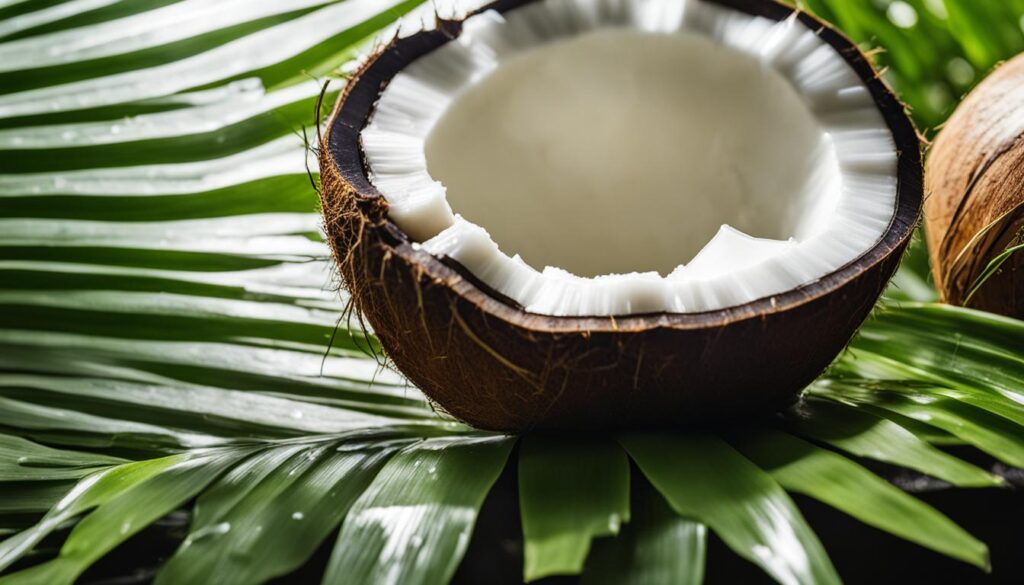
Nourishing your hair and scalp with coconut oil ensures you reap the benefits of its versatile properties. This all-natural wonder has become a popular choice for many seeking a scalp health multitasker and effective solution to support hair growth. Rich in vitamins, minerals, and fatty acids, coconut oil offers exceptional natural hair nourishment that alleviates various scalp issues and strengthens hair from root to tip.
Nourishing Your Hair with Nature’s Bounty
Coconut oil’s ability to moisturize and soothe the scalp is primarily due to its high content of lauric acid, which easily penetrates hair shafts, nourishing and conditioning it from within. Additionally, its antimicrobial and anti-inflammatory properties make coconut oil an excellent solution for treating common scalp issues, such as dandruff and itchiness.
“Coconut oil truly is a multitasker for scalp health and hair growth, as it effectively treats various scalp conditions and simultaneously strengthens, nourishes, and protects the hair.” – Dr. Mickey Mehta, Celebrity Holistic Health Guru
Regular use of coconut oil for hair not only moisturizes but also forms a protective layer to shield your locks from environmental damages, such as pollution, excessive heat, and sun exposure. Furthermore, the hormone-balancing properties found in coconut oil can help counter hormonal hair loss and promote healthier hair growth by maintaining scalp balance.
- Pre-shampoo hair treatment: Apply coconut oil to your hair and scalp, massaging it gently. Leave it on for at least 30 minutes (or overnight for better results) before shampooing.
- Scalp massage: Warm a few tablespoons of coconut oil and massage it gently into your scalp for 5-10 minutes, stimulating blood circulation and promoting hair growth.
- Leave-in conditioner: Rub a small amount of coconut oil between your palms and smooth it over the ends of your hair to lock in moisture and reduce frizz.
- Hair mask: Mix coconut oil with other hair-loving ingredients, such as honey, yogurt, or your favorite essential oils, to create a nourishing hair mask. Leave it on for at least 30 minutes before rinsing for best results.
Incorporating coconut oil into your hair care routine will not only boost your hair’s health but also nurture and revitalize your scalp. So, don’t hesitate to tap into the natural nourishment of coconut oil and witness the transformative effects on your tresses.
Exploring Lesser-Known Oils: Neem and Peppermint for Scalp Therapy
In addition to the popular carrier oils like argan, castor, and coconut oil, there are lesser-known oils that also offer promising benefits for hair health. Neem oil and peppermint oil are two such examples, each boasting properties that make them particularly effective for scalp therapy.
Neem oil is derived from the neem tree, a plant native to India and known for its therapeutic properties. Renowned for its antibacterial, antifungal, and anti-inflammatory benefits, neem oil is an effective treatment for various scalp conditions like dandruff, scalp psoriasis, and even head lice. Its natural properties help to maintain a healthy scalp environment, which is crucial for hair regrowth.
On the other hand, peppermint oil is extracted from the peppermint plant and offers several benefits for hair growth. With its ability to improve blood circulation to the scalp, peppermint oil creates the ideal conditions for hair follicles to function optimally, promoting hair growth. Peppermint oil also has anti-inflammatory and antimicrobial properties, making it effective for treating various scalp conditions and soothing irritation.
“Neem oil and peppermint oil are both effective for treating various scalp conditions and promoting a healthy scalp environment, which is crucial for hair regrowth.”
Here are some tips on how to integrate these oils into your hair care routine:
- Blend a few drops of neem oil with a carrier oil, like coconut or jojoba oil, and massage it into the scalp. Leave it on for at least 30 minutes before washing it off with a mild shampoo.
- Mix a few drops of peppermint oil with a carrier oil of your choice and massage it into the scalp. For best results, leave it on overnight and wash it off with a gentle shampoo the next morning.
- Alternatively, you can also add a few drops of either oil to your shampoo or conditioner for an added boost to your hair care regimen.
In summary, neem oil and peppermint oil are two lesser-known oils that can be incorporated into your scalp therapy routine to help address alopecia. With their therapeutic properties, these oils provide antibacterial benefits and support a healthy scalp environment, which is essential for hair regrowth. Give these oils a try and experience the positive effects of natural hair care solutions.
Revitalising Hair Follicles with Rosemary Oil Infusions
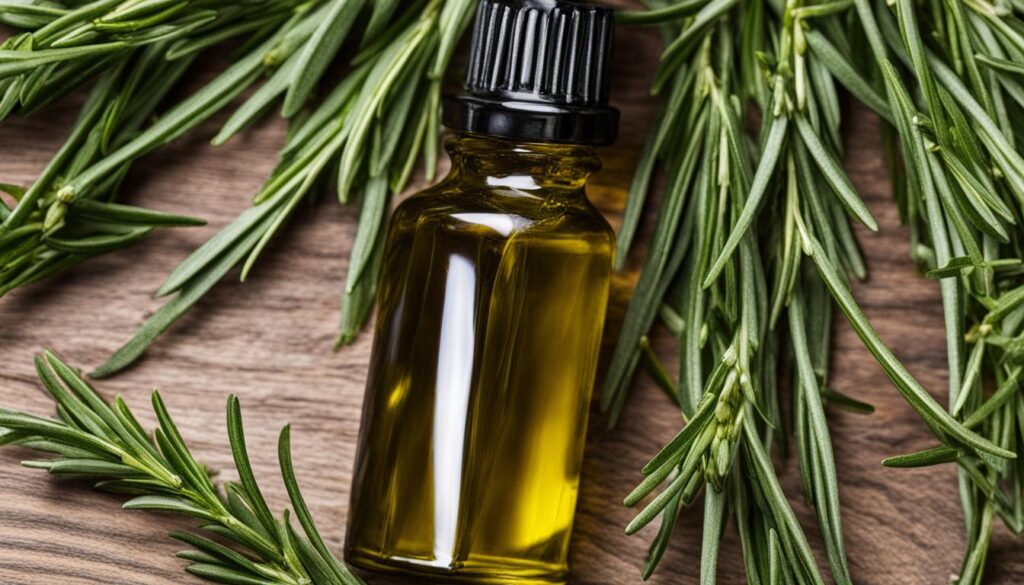
Rosemary oil is a powerful essential oil with properties that not only promote blood circulation but also stimulate hair regeneration, making it an excellent choice for a revitalizing scalp oil. Packed with antioxidants, anti-inflammatory, and antimicrobial benefits, this natural oil plays a crucial role in achieving natural hair regrowth by unclogging pores and providing nourishment to damaged hair. As such, rosemary oil is highly effective in treating and preventing hair loss by invigorating the scalp and encouraging healthy hair growth.
Incorporating rosemary oil into your hair care regimen can be easily achieved through a variety of applications. A commonly recommended method is through scalp massages, which not only stimulate blood flow but also aid in oil absorption. Mixing rosemary oil with a carrier oil, such as coconut or argan oil, can further enhance its effects, providing a synergistic blend that promotes healthy hair follicles and supports regrowth.
“It’s been six months since I started using rosemary oil combined with coconut oil as an overnight treatment, and I’ve noticed a significant improvement in my hair thickness and overall condition.”
Another effective way to use rosemary oil for hair follicles is by incorporating it into your shampoo or conditioner. By doing so, you can take advantage of its scalp invigorating properties during your regular hair washing routine. Additionally, creating an infused rosemary oil can be beneficial for targeted hair treatments, such as hair masks, tonics, and leave-in conditioning sprays.
- Scalp massage with rosemary oil and carrier oil blend
- Infused rosemary oil hair mask or tonic
- Using rosemary oil in your shampoo or conditioner
- Leave-in rosemary oil conditioning treatment
Given its numerous advantages, it’s no wonder that rosemary oil has garnered substantial attention as a potent, natural solution for hair growth. Through the implementation of a diverse range of applications, rosemary oil has the potential to drastically improve the condition of your scalp and promote the healthy regrowth of your hair, leading to long-lasting effects and overall satisfaction.
Jojoba Oil: The Soothing Scalp Solution for Sensitive Skin
For those with sensitive scalps, finding a soothing solution can be a daunting task. Fortunately, jojoba oil presents a viable option. Known for its gentle properties, jojoba oil alleviates itching and flakiness without leaving any residue. With an impressive composition of essential fatty acids, this oil is highly effective in improving scalp health, maintaining the scalp’s natural balance, and promoting healthy hair growth.
Soothing Your Scalp and Promoting Healthy Hair Growth
Jojoba oil closely resembles the natural oil our bodies produce, known as sebum, which is why it’s such a remarkable choice for balancing the scalp’s oil production. This oil combats dryness, moisturizes the scalp, and fosters a favourable environment for hair growth.
“Jojoba oil is an excellent choice for people with sensitive scalps, as it not only soothes and provides instant relief from itching and flakiness, but it also contains essential fatty acids that improve overall scalp health.”
- Potent source of essential fatty acids, nutrients, and antioxidants
- Moisturizes and conditions the scalp
- Reduces inflammation and itchiness
- Fights bacterial and fungal infections
- Supports hair growth by improving scalp circulation
By incorporating jojoba oil into your hair care routine, you can expect visible improvements in both your scalp and hair’s overall health. Its natural, soothing effects are particularly beneficial for those with sensitive skin, providing the much-needed relief they seek.
To make the most of jojoba oil’s benefits, consider blending it with other essential oils that target hair growth and scalp health, such as rosemary, lavender, or peppermint. This synergistic approach ensures maximum impact and promotes the desired outcome: a healthy, lustrous mane.
In conclusion, jojoba oil stands out as a superior, soothing scalp solution with a particular affinity for sensitive skin. Nurturing the scalp and promoting healthy hair growth, this potent oil is an essential addition to anyone’s hair care regimen, regardless of their skin type or specific concerns.
Conclusion: Embracing Natural Therapies for Hair Regrowth
In the journey to treat hair loss and promote regrowth, incorporating essential carrier oils into your daily hair care regimen can prove to be a holistic and effective solution. Natural hair regrowth therapies, such as using argan, castor, and coconut oils, offer nourishment and support to both your hair and scalp, leading to healthier and stronger hair growth.
Carrier oils not only provide essential fatty acids, proteins, and nutrients, but they also enhance the potency of essential oils when blended, allowing you to create tailored formulations that cater to your specific hair needs. Embrace carrier oils and witness the wonders of these holistic hair loss solutions for revitalised and nourished hair.
If you have any questions or comments about incorporating carrier oils into your hair care routine, please feel free to reach out to us at info@aromatherapy.org.nz. Our experts are always available to offer guidance on formulating your perfect blend for healthier, stronger, and more radiant hair.
FAQ
What are essential carrier oils?
Essential carrier oils are base oils derived from plant sources that are used to dilute essential oils for safe application on the skin and hair. They can enhance the absorption of essential oils and provide additional therapeutic benefits, making them an important component of hair care regimens.
How do carrier oils help with alopecia treatment?
Carrier oils like argan, castor, and coconut oils provide essential nutrients, fatty acids, and proteins that strengthen the hair and create a conducive environment for hair regrowth. When blended with essential oils, they can stimulate hair follicles, soothe the scalp, and improve overall hair and scalp health, combatting hair loss and promoting regrowth.
Why should I consider blending essential oils and carrier oils for my hair care needs?
Blending essential oils with carrier oils enhances the therapeutic properties of both, creating synergistic effects for hair and scalp health. This can result in moisturized, strengthened hair and a nourished scalp. Furthermore, blending the oils reduces the chance of irritation and allows for safe application.
What are some other promising oils for scalp therapy?
Neem oil and peppermint oil are options worth exploring for scalp therapy. They offer antibacterial benefits and support a healthy scalp environment, which is crucial for hair regrowth. Neem oil is known for its therapeutic properties, while peppermint oil can improve blood circulation to the scalp.
How can I use rosemary oil to promote hair regrowth?
Rosemary oil possesses properties that promote blood circulation, unclog hair follicles and stimulate hair regeneration. Blend rosemary oil with a carrier oil, like argan or coconut oil, and massage the mixture into your scalp to invigorate the scalp, nourish damaged hair, and encourage healthy hair growth.
Is jojoba oil suitable for those with sensitive scalps?
Yes, jojoba oil is particularly suitable for people with sensitive scalps. Its formula comprises essential fatty acids that improve scalp health, soothe itching and flakiness without leaving residue, and maintain the scalp’s natural balance, making it an excellent choice for promoting hair growth while catering to sensitive skin.