Boost Your Recall: Aromatherapy and Memory Enhancement Tips

Are you seeking natural ways to enhance your memory and cognitive abilities? Look no further! Discover the power of aromatherapy memory enhancement techniques for unlocking your brain’s potential. Using essential oils for a natural memory boost may be just the solution you need. In this article, you’ll learn the science behind the connection between scents and cognitive function and uncover the best essential oils for improving memory recall. So, let’s get started on your journey towards a sharper mind!
Unveiling the Connection Between Aromas and Cognitive Function
Our sense of smell is often underappreciated, yet it has a powerful connection to our brain and cognitive function. As we go through our daily lives, multiple scents have the potential to affect our memory and cognition, both positively and negatively. This section discusses the role of olfactory stimulation in brain health, the impact of essential oils on memory improvement, and the evidence from recent scientific research on aromatherapy.
The Role of Olfactory Stimulation in Brain Health
Olfactory enrichment, or exposure to multiple scents, has been demonstrated to benefit cognitive abilities, with particular focus on older adults who are more susceptible to cognitive decline. Regular sensory exposure to scents can have positive effects on cognitive abilities, potentially even preceding cognitive decline. This is significant in the context of neurological disorders like Alzheimer’s, dementia, and Parkinson’s disease, where the loss of olfactory function is commonly a harbinger.
Impact of Essential Oils on Memory Improvement
Fascinatingly, nightly aromatherapy regimens with essential oils have correlated with enhanced verbal memory and the integrity of brain pathways such as the uncinate fasciculus, which is involved in learning and memory. This suggests a potential therapeutic role for essential oils in addressing cognitive decline. Essential oils, when used strategically, can target specific brain pathways and memory centers, potentially resulting in measurable improvements in cognitive function.
Evidence from Recent Scientific Research
Recent clinical studies provide evidence that a varied regimen of essential oils could significantly bolster cognitive skills, including word list recall. Some examples include rosemary and lavender, which have demonstrated promise in supporting memory retention and cognitive performance. However, the scientific research community notes the need for larger, more comprehensive trials to confirm these findings.
“A growing body of scientific research suggests that the use of aromatherapy with specific essential oils can have a significant positive impact on cognitive function, particularly memory.”
In conclusion, olfactory stimulation and essential oil aromatherapy appear to have a solid connection to cognitive function and brain health. By strategically incorporating essential oils into one’s daily routine, it may be possible to support memory improvement and overall cognitive health, especially in older adults.
Your Guide to Selecting Aromatherapy Oils for Memory Boosting
When considering aromatherapy for memory enhancement, it’s vital to select oils substantiated by scientific research. Essential oils such as rosemary, frankincense, and peppermint have been linked to improved memory recall and cognitive performance.
Rosemary: The Herb of Remembrance
Rosemary oil is renowned for its memory-boosting properties which, as per studies, might be attributed to the compound 1,8-Cineole. This component has been observed to improve long-term memory when inhaled as it absorbs into the bloodstream and potentially affects neuronal function.
Frankincense: A Sentry for Spatial Memory
Frankincense oil, which is high in sesquiterpenes, could be beneficial in improving spatial memory retention. This ties back to its properties as an oxygenator for the brain, potentially leading to mood enhancement and cognitive benefits.
Peppermint: Sharpening Attention to Detail
Peppermint oil exhibits properties that can enhance visual attention, alertness, and the overall quality of memory. This makes it a suitable choice for individuals seeking to improve their focus and attention to detail through aromatherapy.
“Rosemary oil contains compounds known to improve memory recall.”
- Rosemary Oil: Memory improvement and cognitive enhancement
- Frankincense Oil: Enhancing spatial memory retention and mood
- Peppermint Oil: Sharpening focus and attention to detail
Lavender and Stress: Clearing the Path for Learning
Lavender oil has been well-documented for its ability to provide stress relief and promote relaxation, significantly aiding in improving memory recall during stressful situations. In this section, we will delve into how lavender oil’s stress-relieving properties can pave the way for enhanced learning and recall activities, ultimately contributing to memory loss prevention.
Many studies have demonstrated that ongoing stress can negatively impact cognitive performance, specifically when it comes to learning and memory retention. Utilising lavender oil for aromatherapy learning enhancement can help counteract this stress and its associated cognitive repercussions, giving learners a more accessible pathway to memory consolidation and recall. This approach is particularly beneficial for students during exam periods or adults dealing with workplace-related stressors.
“The relaxation qualities of lavender oil can assist in creating a calm learning environment, which reduces stress levels and facilitates more effective memory retention.”
Integrating lavender oil into your aromatherapy routine can be as simple as:
- Diffusing the oil in your study or relaxation area
- Inhaling the aroma directly from the bottle or applying a small amount to your wrists
- Adding a few drops to a warm bath or a diffuser necklace
By consistently using lavender oil as part of your learning environment, you may begin to notice improvements in memory retention and recall over time. It is important, however, to note that individual results may vary, and the use of lavender oil should not replace other tried-and-tested memory improvement techniques. Nonetheless, the power of lavender oil for memory loss prevention should not be underestimated, as it plays a vital role in creating a conducive environment for increased cognitive performance. Striking a balance between stress-relief practices and learning enhancement methods is key to maximising the potential of lavender oil in promoting overall cognitive health.
Incorporating Aromatherapy into Your Daily Routine
Developing a daily aromatherapy practice can significantly contribute to a holistic cognitive health regimen. Inexpensive and versatile, essential oils offer numerous opportunities for seamlessly blending aromatherapy into your everyday routine. The sections below detail various methods to harness the power of essential oils for an effective essential oil routine aimed at cognitive improvement.

- Start your morning with a stimulating scent: Kickstart your day by using invigorating essential oils such as peppermint or citrus oils in a diffuser or oil burner during your morning routine. You can also add a few drops to your morning shower for an energising scent boost.
- Incorporate oils into your workspace: Create a productive and mentally stimulating work environment by diffusing essential oils like rosemary or eucalyptus to enhance focus and cognitive performance throughout the day.
- Utilise oils during study sessions: Boost your learning and retention abilities by using specific essential oils for memory enhancement, such as the use of frankincense or lavender, while studying or revising information.
- Promote relaxation and reduce stress: Wind down in the evenings by incorporating calming and stress-reducing oils like lavender or chamomile into your routine. Diffuse them in your living space or add a few drops to a warm bath for optimal relaxation.
- Enhance sleep quality and memory consolidation: Support a restful night’s sleep and encourage memory consolidation by infusing your bedroom with sleep-promoting oils like lavender, clary sage, or valerian. Apply a few drops on your pillow or use them in a diffuser for maximum effect.
Regular and diverse olfactory exposure can bring about several cognitive health benefits, making it a valuable addition to overall wellbeing. By incorporating aromatherapy into your daily routine, you can potentially improve neurological function, increase memory recall, and create a more balanced and focused lifestyle.
The Science Behind Scent: How Aromas Can Trigger Memory Recall
It may be surprising to many that the scent memory recall science has been a subject of extensive research, as the close connection between memory recall and our sense of smell is particularly evident when certain aromas trigger powerful memories. The underlying reason for this is the direct connection between the olfactory sense and the brain’s memory centres. Let’s dive into the fascinating domain of aroma therapy neurology to unveil the workings of this intimate relationship.
“The nose is like no other organ in the body. Its ability to smell has direct access to the memory centre of the brain, the hippocampus and amygdala, something none of our other senses have.”
So, how exactly do olfactory memory triggers work? Studies show that the olfactory bulb, which is the brain’s smelling centre, is closely linked to the hippocampus – an area of the brain that plays a critical role in forming both short-term and long-term memories. This connection highlights the importance of the olfactory system in memory recall and retention of new information.
- Smell and Memory Encoding: When the olfactory system detects an aroma, it sends a signal to the hippocampus.
- Memory Consolidation: The hippocampus processes and consolidates the memory, associating it with the specific scent.
- Memory Retrieval: The same scent is later detected, activating the hippocampus to recall the associated memory.
It is important to note that not all aromas will elicit the same memories or emotions in everyone, as individual experiences may differ. Furthermore, while certain smells may trigger positive memories, others might evoke negative emotions or discomfort.
| Aroma | Associated Memory or Emotion |
|---|---|
| Lavender | Relaxation, calmness, and possibly, memories of a loved one who used lavender scented products |
| Peppermint | Alertness, increased focus, and perhaps, recollections of a favourite candy from childhood |
| Rosemary | Cognitive performance, increased concentration, and memories of a family garden or a favourite dish |
Understanding the science behind scent memory recall can help you harness the power of aromatherapy in targeted ways to improve memory and cognitive function. By exposing yourself to specific, scientifically-supported essential oils, you can potentially create new, stronger memory connections, enhancing your overall cognitive health and recalling memories with greater ease.
Practical Tips for Enhancing Study Sessions with Aromatherapy

Integrating study session aromatherapy into your learning routine can create a scent-associated learning environment and improve memory recall during high-stress situations, such as exams. Here are some tips to help you design an effective sensory study experience using aromatherapy.
Creating a Scent-Associated Learning Environment
Utilise specific scents during study sessions to forge strong associations between the material being learned and the aroma. The presence of these scents can later facilitate memory recall during exams or assessments. To create an effective learning environment, consider the following steps:
- Select essential oils known for their cognitive enhancing properties, such as rosemary, peppermint, or lavender.
- Ensure your study area is well-ventilated and free from potential distractions.
- Use an essential oil diffuser or aroma lamp to disperse the chosen oil throughout the session.
The Best Times to Utilise Aromatherapy for Maximum Effect
Timing plays a crucial role in maximising the cognitive support potential of aromatherapy. Consider incorporating the use of essential oils during key moments:
- Study sessions: Use specific scents while studying to reinforce the connection between the material being learned and the aroma.
- Before sleep: Diffuse essential oils with soothing and relaxation properties to promote a restful sleep and facilitate memory consolidation.
- Breaks: Inhale invigorating scents, such as peppermint or eucalyptus, during short study breaks to help refocus and re-energise.
Combining Aromas for a Multi-Sensory Study Experience
Creating a diverse sensory study experience through the combination of various essential oils may help enrich the learning process and overall memory consolidation. To benefit from this multi-sensory approach, consider:
- Switching between different essential oils or blends, targeting different cognitive aspects (e.g., focus, memory recall, relaxation).
- Using personal preferences to select complementary scents that resonate with your unique olfactory senses.
- Experimenting with various diffusion methods (e.g., diffuser, aroma stone, oil inhaler) to find the most favourable way to experience the aromas.
By implementing these practical tips, you can effectively incorporate aromatherapy into your study sessions and support your cognitive abilities for better memory recall and academic success.
The Long-Term Benefits of Aromatherapy on Cognitive Health
As a natural approach to boosting cognitive function, the long-term aromatherapy benefits cannot be ignored. In addition to offering memory enhancement and focus, regular exposure to various scents can aid in cognitive health maintenance and even contribute to dementia prevention.
Research conducted over the years has consistently demonstrated a connection between olfactory stimulation and cognitive abilities. By actively engaging with aromatic essential oils, you can encourage better cognitive health, including memory improvement and delaying the onset of memory-related conditions like Alzheimer’s disease.
Regular engagement with varied scents through aromatherapy could yield sustained cognitive health benefits and potentially delay the onset of memory-related conditions.
It’s worth noting that a comprehensive strategy for cognitive health maintenance not only includes aromatherapy but also combines it with other factors such as proper nutrition, adequate physical activity, and mental exercises to promote an overall healthy lifestyle. To help illustrate the benefits aromatherapy offers for cognitive health, let’s delve into the following aspects:
- Stress reduction
- Mood improvement
- Enhanced alertness and focus
| Benefit | Essential Oil | How it Works |
|---|---|---|
| Stress Reduction | Lavender | Its calming properties aid in relaxation and, consequently, better cognitive function. |
| Mood Improvement | Frankincense | The oil’s oxygenating properties promote a sense of well-being, contributing to overall cognitive health. |
| Enhanced Alertness and Focus | Peppermint | Boosts attention, sharpens focus, and promotes the overall quality of memory. |
Integrating aromatherapy into a daily routine can significantly improve cognitive health and reduce the risk of age-related memory decline. Also, by choosing essential oils that offer multiple cognitive benefits, like rosemary, lavender, and peppermint, you can yield even more significant results.
Ultimately, embracing aromatherapy as a holistic component of a cognitive health regimen could provide immense long-term benefits, supporting brain function, memory, and overall wellbeing.
Understanding the Limitations of Aromatherapy for Memory Enhancement
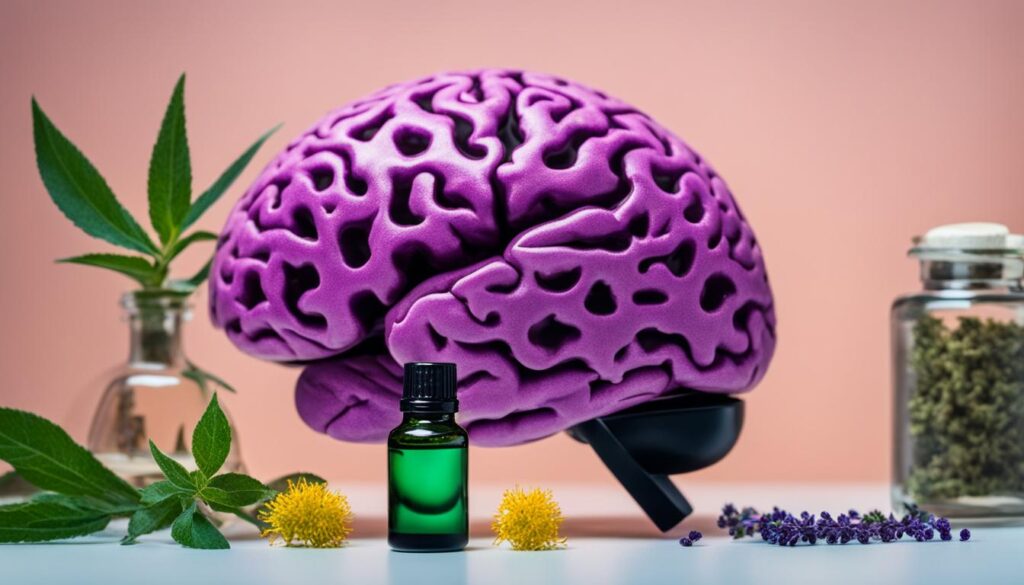
While aromatherapy has gained significant attention for its potential to improve memory and cognitive function, it is essential to understand its limitations and tailor your approach accordingly. By recognizing individual differences in scent perception, adopting a holistic approach to cognitive improvement, and complementing aromatherapy with other memory-enhancement techniques, you can make the most of this promising yet complex approach.
Accounting for Individual Differences in Scent Perception
One primary consideration when exploring aromatherapy is the individual differences in scent perception. People naturally respond differently to various scents, and this can impact the effectiveness of aromatherapy on a person-to-person basis. Additionally, factors such as allergies, sensitivities, and personal preference can influence the efficacy of aromatherapy. Consequently, it is crucial to select essential oils that are tailored to your unique needs and preferences.
The Importance of a Holistic Approach to Cognitive Improvement
Although aromatherapy can offer some cognitive benefits, it should not be considered as the one-stop solution to memory enhancement. Adopting a holistic approach to cognitive improvement is vital, as this ensures a comprehensive and well-rounded strategy that caters to multiple aspects of brain health. This balanced approach should incorporate practices beyond aromatherapy, including adequate nutrition, mental exercises, and regular physical activity.
How to Complement Aromatherapy with Other Memory Techniques
The integration of memory techniques alongside aromatherapy can lead to compound benefits for your cognitive function. These methods can include:
- Mnemonic devices – for associating information with familiar concepts
- Meditation – for promoting relaxation and reducing stress, ultimately aiding memory
- Brain training games – for improving specific cognitive skills such as memory, attention, and reasoning
By combining aromatherapy with these memory-enhancement techniques, you can create a comprehensive cognitive health regimen that fuels your brain with the best support possible, helping you to achieve a higher level of memory recall and overall cognitive performance.
Navigating the World of Aromas: Essential Oil Quality and Safety
When it comes to using essential oils for therapeutic purposes, such as memory enhancement, it is critical to consider the quality and safety of the oils. By seeking reputable sources and being mindful of potential allergies or sensitivities, you can ensure a successful and positive aromatherapy experience.
Quality and safety should always be at the forefront of your mind when incorporating essential oils into your daily routine.
Therapeutic grade oils, which are meticulously extracted and contain no synthetic additives or contaminants, are recommended for aromatherapy purposes. These high-quality essential oils provide the maximum benefits while also ensuring your safety.
To ensure you are purchasing essential oil of the best quality, consider the following tips:
- Buy from reputable companies with a track record of producing high-quality oils.
- Look for oils labelled as “100% pure” or “therapeutic grade.”
- Research the company’s sourcing and production methods to verify they adhere to strict quality standards.
- Consider certified organic oils, as they are produced without the use of harmful pesticides or chemicals.
- Read reviews and testimonials from other customers to gauge their experiences with the brand and its products.
In addition to quality, aromatherapy safety should also be a primary concern, particularly when it comes to potential allergies, sensitivities, or interactions with medications. To use essential oils safely, follow these guidelines:
- Perform a patch test on a small area of skin to check for any allergic reactions before applying the oil to larger areas.
- Always dilute essential oils with a carrier oil, such as jojoba or coconut oil, before applying topically to avoid skin irritation.
- Avoid using essential oils near sensitive areas like the eyes, ears, and mouth.
- Consult with a healthcare professional or a certified aromatherapist if you are pregnant, nursing, have a pre-existing medical condition, or are taking medications that might interact with essential oils.
By heeding these precautions and guidelines, you can confidently incorporate essential oils for memory enhancement and enjoy the full benefits of aromatherapy while ensuring your safety and well-being.
Conclusion
In conclusion, the synergy between aromatherapy and memory enhancement offers a promising avenue for improving cognitive health. By incorporating essential oils like rosemary, frankincense, and peppermint into your daily routine, you can potentially boost recall and cognitive performance. However, it’s important to keep in mind the need for further research and a holistic approach to ensure the most effective outcomes.
As you embark on your journey to enhance memory recall, consider using high-quality oils from reputable sources and supplementing your aromatherapy regimen with other proven memory-enhancing techniques. This holistic approach may lead to compounded benefits for your cognitive function and overall well-being.
If you’re interested in learning more or seeking guidance on incorporating aromatherapy into your cognitive health routine, we invite you to contact our experts at info@aromatherapy.org.nz. Their insights and information can help you make informed decisions that best suit your needs and lifestyle, ultimately leading you to a more successful journey toward enhanced recall and cognitive well-being.
FAQ
Can aromatherapy really boost memory?
Research has shown that essential oils such as rosemary, frankincense, and peppermint can improve memory recall and cognitive performance. While more comprehensive studies are needed, incorporating aromatherapy into one’s daily routine may have potential cognitive benefits.
How can I use aromatherapy to enhance my study sessions?
Incorporate specific scents, such as rosemary, during your study sessions to help form strong associations between the material and the aroma. This can later facilitate memory recall in high-stress scenarios like exams. Ensure to use aromatherapy during optimal times for maximum effect, such as before sleep or during study breaks.
Are there any limitations to using aromatherapy for memory enhancement?
Individual responses to scent vary, impacting the efficacy of aromatherapy for memory enhancement. It’s essential to consider a holistic approach that includes other memory-enhancement techniques, such as mnemonic devices, meditation, and brain training games, to improve cognitive function effectively.
What essential oils are best for memory enhancement?
Rosemary oil, frankincense oil, and peppermint oil have been linked to improved memory recall and cognitive performance. Each oil offers specific cognitive health benefits that can contribute positively to memory enhancement when used in aromatherapy.
Does lavender oil play a role in memory enhancement?
Lavender oil has been shown to improve memory in stressful situations, as it can help relieve stress and create a conducive environment for learning. Using lavender oil in aromatherapy can complement other memory-enhancement techniques.
How important is the quality of essential oils for aromatherapy?
Quality and safety of essential oils are crucial when using them for therapeutic purposes. Users should seek reputable sources and be mindful of potential allergies or sensitivities when choosing oils for aromatherapy and memory enhancement.
How can I contact someone for more information on aromatherapy and memory enhancement?
For additional information or guidance on incorporating aromatherapy into a cognitive health routine, you can direct inquiries to info@aromatherapy.org.nz.