Unlocking Secrets: What is Hyssop Good For?

Hyssop, an herb with a storied history and an array of fascinating hyssop uses, has been admired for its healing properties and spiritual significance across various cultures and generations. Esteemed for its versatile benefits, hyssop has been employed in spiritual, medicinal, and aromatic applications. Discover the numerous hyssop benefits that have made this plant a cherished element within spiritual, religious, and healing traditions for centuries.
The Historical Significance of Hyssop in Ancient Cultures
Hyssop has long been held in high regard for its various historical uses, serving spiritual, medicinal, and aromatic purposes throughout antiquity. The plant’s importance in hyssop ancient cultures is evident, with references found in ancient texts, including the Bible. The Greek and Hebrew etymology of the name hyssop is suggestive of ‘the holy herb’, further highlighting its esteemed place in historical and religious contexts.
And ye shall take a bunch of hyssop, and dip it in the blood that is in the basin, and strike the lintel and the two side posts with the blood that is in the basin; and none of you shall go out at the door of his house until the morning. (Exodus 12:22, KJV)
This sacred plant features prominently in Biblical stories, such as the Passover, where hyssop was employed to sprinkle the blood of a sacrificial lamb upon doorposts as a protection against divine judgment. Furthermore, hyssop spiritual heritage extends to purifying rituals associated with temples and sacred ceremonies, underscoring its significance as a symbol of holiness, cleanliness, and modesty.
- Passover in the Bible (Exodus 12)
- Purification after childbirth (Leviticus 12:6-8)
- Cleansing of lepers (Leviticus 14:2-9)
- Purification of contaminated houses (Leviticus 14:33-57)
In addition to its vital role in religious practices, hyssop also carries significance in the language of flowers. In this context, the plant represents cleanliness and sacrifice, stemming from its longstanding use in holy place cleansing. While there has been some debate regarding the exact species referred to in these texts, hyssop’s emblematic meaning and cultural importance remain consistent across various ancient civilizations.
| Cultural Significance | Ancient Civilization |
|---|---|
| Sprinkling holy water | Ancient Israel |
| Purification and healing | Ancient Egypt |
| Symbolic of humility and cleansing | Ancient Greece |
| Cleansing evil spirits and illness | Ancient Rome |
As a testament to its spiritual and cultural influence, hyssop continues to be valued in modern practices, with many embracing its historical legacy and inherent power. For those seeking a deeper connection to the earth and its traditions, hyssop offers an inspiring example of ancient wisdom and healing principles that have shaped human civilizations throughout the ages.
Hyssop’s Role in Spiritual and Religious Ceremonies
Over the centuries, the use of hyssop has been deeply ingrained in various spiritual and religious ceremonies. Its symbolism of purity and modesty made it a significant element in many rituals, often employed for cleansing and sanctifying spaces, objects, and individuals.
Spiritual cleansing with hyssop was particularly widespread, as it was believed to have the ability to exorcise evil spirits. Expectant mothers would often use hyssop to prepare themselves for childbirth, while patients recovering from illness would benefit from the peace and happiness the plant could bring to their homes.
Hyssop’s representation of modesty and humility is especially evident in Jewish tradition, where King David recalls using hyssop during his prayers for forgiveness. This sacred plant’s capacity to cleanse, purify, and foster humility made it indispensable in early religious life.
“Purge me with hyssop, and I shall be clean; wash me, and I shall be whiter than snow.” — Psalm 51:7
The unique physical properties of hyssop also facilitated its use in various ceremonies. The herb’s branches were suitable for holding and sprinkling fluids, making them the perfect tool for purification rituals, notably during Passover and in practices addressing leprosy and home purification as recounted in the Bible.
- During Passover, hyssop was used to apply the blood of a sacrificial lamb to the doorposts of the Israelites’ homes, protecting them from the plague of the firstborn.
- In Leviticus 14, it is noted that hyssop was used in the ritual cleansing of those afflicted with leprosy, symbolizing their purification and reintegration into the community.
- Hyssop was employed in the purification of a house that had become defiled, moving from merely cleansing an individual to purifying their living space (Leviticus 14:49-53).
Within the context of hyssop religious ceremonies and spiritual rituals, the extraordinary significance of this plant is undeniable. Its far-reaching applications not only transcended cultures but also bridged the gap between the physical and metaphysical worlds, making hyssop a truly exceptional and versatile element in the realm of holistic practices.
Healing Properties: Hyssop in Traditional Medicine
Hyssop has long been lauded for its potential health benefits, particularly in the realm of traditional medicine. This multifaceted herb has been employed to address various issues ranging from respiratory health to wound care. Though scientific validations might be limited, the long-standing use of hyssop attests to its valued place in herbal healing practices.
Addressing Respiratory Issues with Hyssop
With its hyssop respiratory benefits, this versatile herb has been a popular choice for addressing respiratory issues in different historical medicinal practices. It is believed to alleviate symptoms related to cough, cold, bronchitis and other respiratory disorders. The potential hyssop lung health benefits make it a favourable natural remedy for maintaining and promoting respiratory well-being.
“Hyssop has been a popular choice for addressing respiratory issues in different historical medicinal practices.”
Hyssop’s Antimicrobial and Antiviral Effects
Historically, hyssop has been used for cleansing and was believed to possess healing abilities. It has been highly regarded for its purported antimicrobial properties and antiviral benefits, which might have been crucial factors in making it an integral part of ancient cleansing and purifying rituals. These qualities may also contribute to hyssop’s extensive application in traditional medicine.
Using Hyssop for Skin Health and Wound Care
Hyssop’s healing properties were not just limited to respiratory health. This aromatic herb was also customarily applied directly to the skin or wounds, with the belief that it would promote healing. Additionally, hyssop was incorporated into spiritual baths, which were thought to cleanse the body and remove negativity, implying a holistic form of dermatological care. The potential benefits for hyssop skin health and wound healing point to its renowned versatility in addressing various health concerns.
- Respiratory health support
- Antimicrobial and antiviral potential
- Skin health and wound care
The remarkable history and applications of hyssop in traditional medicine demonstrate its potential healing properties and well-regarded health benefits. Whether addressing respiratory issues, antimicrobial and antiviral properties, or skin health and wound care, hyssop has undeniably secured its place as an important herb in various health and wellness practices throughout history.
The Aromatic Benefits of Hyssop
The enchanting hyssop fragrance has been cherished for centuries, contributing to the wide array of aromatic uses of hyssop. Its remarkable aroma was historically highly regarded for its purifying qualities, believed to cleanse the air of impurities. The captivating scent of hyssop made it an integral element in creating sanctified atmospheres within homes and sacred places.
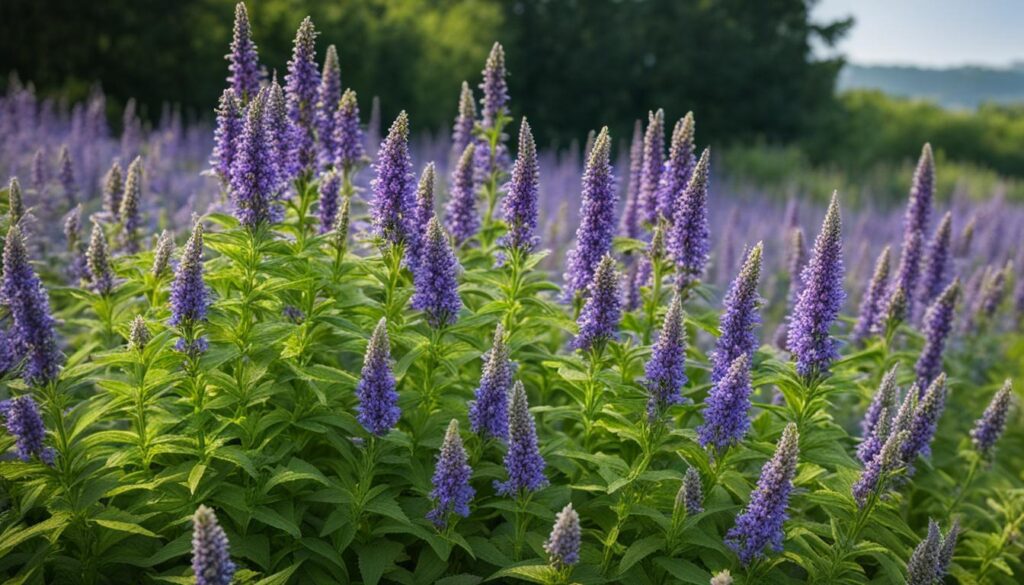
Today, the use of hyssop essential oils has become a popular and modern approach to harnessing the aromatic benefits of this historic plant. These oils can be used as standalone scents, or they can be blended with other essential oils to create personalised aromatherapy experiences. Additionally, hyssop essential oils are suitable for various applications ranging from air freshening to skincare products, allowing you to enjoy the alluring fragrance of hyssop throughout your day.
“Hyssop’s rich fragrance was revered historically for its capacity to purify the air and create sacred ambiences.”
- Room and linen sprays: Infuse your space with the soothing aromas of hyssop essential oil to create a calming and refreshing atmosphere.
- Aromatherapy: Incorporate hyssop essential oil into your diffuser blends for benefits that span from supporting mental clarity to enhancing spiritual connection.
- Skincare and bath products: Blend hyssop essential oil with other skin-nourishing ingredients to create invigorating scrubs, lotions or bath salts that bring your body into balance.
Immersing yourself in the heavenly hyssop fragrance can provide an experience that transcends your senses and connects you to the ancient wisdom and revered traditions that have cherished the unique aromatic qualities of hyssop throughout the ages. So, go ahead and welcome the fragrant allure of hyssop into your life, as you uncover new ways to incorporate its therapeutic treasures into your modern routines.
Hyssop in Culinary Uses: More Than Just Flavour
Hyssop, a versatile herb with a rich history, also boasts a variety of culinary uses. Its unique, aromatic properties lend distinctive flavouring to dishes and drinks. This text delves into some popular ways you can incorporate hyssop into your cooking repertoire, highlighting contemporary recipe ideas and traditional methods.
By integrating hyssop into different preparations, you can not only add a unique taste element to your recipes but also potentially benefit from the herb’s historical significance and innumerable uses. Let’s explore a few ideas:
- Salads: Fresh hyssop leaves enhance flavour and texture to an assortment of salads from traditional green mixes to Mediterranean and Middle Eastern options.
- Herb Blends: Hyssop leaves can be incorporated into herb blends like the renowned za’atar blend to liberally season bread, protein, and vegetable dishes.
- Soups and Stews: Cooking with hyssop adds an added depth of flavour to both meat and vegetable-based broths, soups, and stews. This herb pairs exceptionally well with legumes and earthy root vegetables.
“In search of a uniquely delicious taste? Hyssop’s aromatic properties might be the missing ingredient you’ve been seeking.”
If you’re new to using hyssop in your culinary creations, it is vital to start small, then gradually increase the quantity, as its flavor can quickly become overpowering. Experiment with hyssop in different dishes as well to understand its full potential as a flavoring agent.
In summary, hyssop is indeed more than just a flavour; it is a richly symbolic and versatile herb that adds depth and complexity to culinary experiences. Embracing hyssop in your cooking unearths fascinating possibilities and avenues for exploring a cornucopia of taste sensations that promise to elevate your dishes to newfound heights.
Recognising the Different Varieties of Hyssop
As you explore the world of hyssop, it’s important to be aware of the different varieties of this remarkable plant. Gaining a more comprehensive understanding of these diverse hyssop species can serve to enhance your appreciation of their unique properties and uses.
European Hyssop: The Classic Garden Variety
European hyssop, also known as Hyssopus officinalis, is the classic garden variety of the hyssop plant and is native to Europe. This garden hyssop is popular for its vibrant flowers and pleasant fragrance. However, it is important to note that this European hyssop variety does not align with the Biblical descriptions, as it is not indigenous to the Holy Land or Egypt.
Biblical Hyssop: Unravelling the True Identity
There is an ongoing debate regarding the true identity of the Biblical hyssop plant species. Numerous theories and candidate plants have been proposed in attempts to demystify this enigma. Some of these speculated plants include marjoram and Lebanese oregano.
“And ye shall take a bunch of hyssop, and dip it in the blood that is in the bason, and strike the lintel and the two side posts with the blood that is in the bason; and none of you shall go out at the door of his house until the morning.” – Exodus 12:22.
Although the exact species remains a subject of scholarly debate, Origanum syriacum is considered a likely candidate for the true Biblical hyssop. This debate continues to intrigue historians, theologians, and botanists alike as they seek to uncover the mysteries surrounding this historically significant plant.
Cultivating Your Own Hyssop Garden
Planting hyssop in your garden can be a rewarding experience. Not only will the mesmerising fragrance and vibrant colours brighten your space, but they’ll also provide the opportunity to incorporate the benefits of this herb into your everyday life. Here are some essential tips for growing hyssop and cultivating a thriving hyssop garden.
The success of hyssop garden cultivation begins with selecting the appropriate variety for your location and purposes. The European Hyssop (Hyssopus officinalis) is the most common species, known for its strong aroma and vibrant colours. If you’re particularly interested in historical and spiritual applications, you could consider planting Lebanese Oregano (Origanum syriacum), which is considered a likely candidate for Biblical hyssop.
Step 2: Find the ideal location and soil conditions
Hyssop thrives in well-drained, sandy or rocky soil with a pH range of 6.0 to 7.5. It prefers a sunny spot, receiving at least 6 hours of sunlight daily. Ensure the area you select for planting hyssop accommodates these preferences for optimal growth.
Step 3: Plant hyssop seeds or cuttings
Hyssop can be grown from either seeds or cuttings. Sow seeds directly into the soil, approximately 30 cm apart, making sure to cover them lightly with soil. Alternatively, you can propagate hyssop by taking stem cuttings from a healthy, mature plant. Place the cuttings in a mixture of potting soil and water until new roots are formed. Afterwards, transplant them into your garden.
“Planting hyssop in your garden can be a rewarding experience. Not only will the mesmerising fragrance and vibrant colours brighten your space, but they’ll also provide the opportunity to incorporate the benefits of this herb into your everyday life.”
Step 4: Care for your growing hyssop
Hyssop does not require extensive maintenance, making it perfect for beginner gardeners. Regularly water the young plants, ensuring the soil remains moist but not waterlogged. Once the hyssop plants are well-established, they can tolerate drier conditions. Prune your hyssop plants at least once a year to promote bushier growth and prevent them from becoming too leggy.
Step 5: Harvesting and utilising your hyssop
Depending on your specific needs, you can harvest hyssop leaves and flowers for a multitude of applications, such as teas, infused oils, or spiritual rituals. It is best to harvest hyssop in the morning, when the oils are in their strongest concentration.
By following these simple steps, you can revel in the pleasure and myriad benefits that come with cultivating your very own hyssop garden.
Hyssop Baths: A Modern Take on an Ancient Purification Practice
In today’s fast-paced world, finding ways to unwind and cleanse our minds, bodies, and spirits is essential to maintaining a balanced lifestyle. One such practice that offers a modern approach to ancient purification rituals is the use of hyssop baths. A combination of water infused with the healing properties of hyssop, these baths are considered a contemporary adaptation of age-old spiritual cleansing traditions.
Hyssop baths represent a personal ritual for absolving sins and negativities, aligning with the historical behaviours that deeply associated hyssop with spiritual cleansing. By partaking in a hyssop bath, you are not only indulging in a relaxing and rejuvenating experience, but also connecting with the timeless wisdom and spiritual heritage held within this revered herb.

“Hyssop baths, an ancient tradition for cleansing and purification, are now finding renewed relevance in modern rituals.”
So, how do you incorporate hyssop baths into your wellness routine? It is easy to create your hyssop-infused bath at home, by steeping hyssop leaves or flowers in boiling water to create a hyssop “tea.” Once cooled and strained, this infusion can be added to your regular bath water or simply used as a sponge bath, gently applying the infusion onto specific areas of your body for more focused cleansing.
Beyond their spiritual benefits, hyssop baths offer a range of potential holistic health benefits as well. As the herb has historical associations with addressing respiratory issues, skin health, and antimicrobial properties – it offers a luxurious and beneficial self-care experience.
- Draw a warm bath.
- Steep hyssop leaves or flowers in boiling water for 10-15 minutes.
- Allow the hyssop infusion to cool and then strain.
- Add the hyssop infusion to your bathwater or use as a sponge bath.
- Immerse yourself in the water and let the hyssop cleanse and purify your body, mind, and spirit.
By embracing modern hyssop rituals like hyssop baths, we can reconnect with the ancient wisdom and spiritual heritage that underpins this revered herb. In doing so, we not only find solace and tranquillity, but also cultivate a sense of balance, purity, and well-being.
Safety and Precautions: Understanding the Dosage and Side Effects of Hyssop
When it comes to using hyssop, it’s essential to comprehend and adhere to the appropriate hyssop dosage and understand the potential side effects and interactions. Although detailed dosage guidelines and safety parameters aren’t explicitly specified in the available sources, consumers should approach hyssop consumption cautiously.
Recommended Dosages for Different Forms of Hyssop
As specific dosage recommendations for various types of hyssop aren’t provided, the sensible course of action is to follow the directions provided by reliable manufacturers whenever trying new hyssop products. It is also wise to consult a healthcare professional, such as a doctor or a herbalist, for expert advice on the safe use of hyssop, especially if consuming hyssop while pregnant, breastfeeding, or taking medications.
Potential Side Effects and Interactions of Hyssop
Although the possible side effects and interactions of hyssop aren’t explicitly outlined in the sources, taking precautions is always recommended, especially for those who haven’t used hyssop before. In some cases, individuals might experience allergic reactions or other adverse effects.
Note: It’s crucial to consult a healthcare professional if you’re uncertain about your reaction to hyssop. Their advice could help you avoid potential complications and allow you to enjoy hyssop’s benefits safely and responsibly.
- Pay attention to your body’s responses when you first start using hyssop products.
- Always follow the recommended dosages provided by trustworthy manufacturers.
- Consult a healthcare professional if you’re unsure about hyssop consumption, especially if you have pre-existing medical conditions or are taking medications.
In conclusion, understanding the safe use of hyssop is paramount when incorporating it into your daily routine. Always follow expert advice and exercise caution when consuming hyssop, acknowledging the recommended dosage guidelines and potential side effects.
Incorporating Hyssop into Aromatherapy and Essential Oil Blends
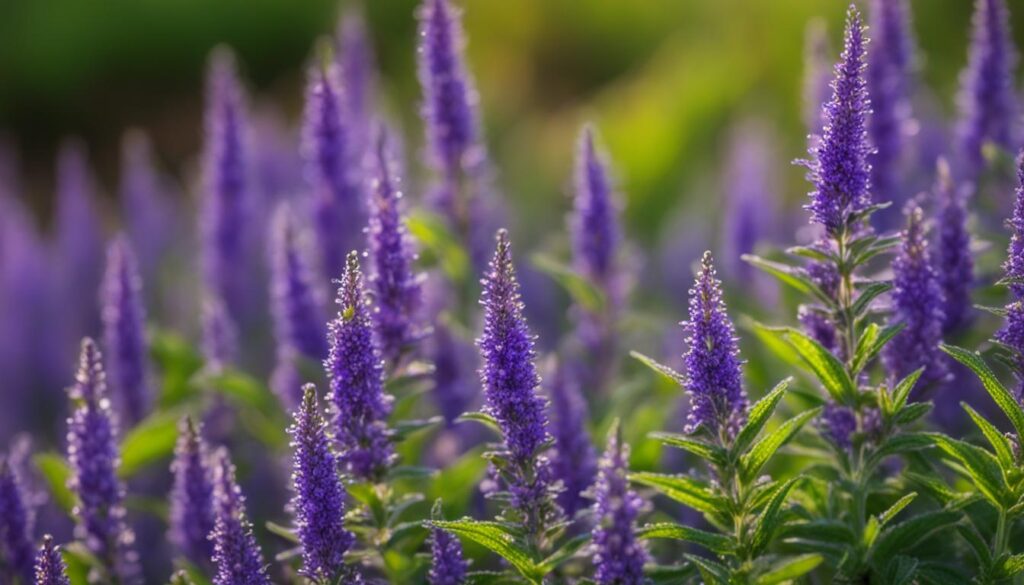
Hyssop has long been admired for its fragrance, making it an excellent candidate for use in hyssop aromatherapy and essential oil blends. With its historical presence in air cleansing and purification rituals, hyssop essential oils can provide a sense of serenity and freshness to your environment.
Creating essential oil blends with hyssop allows you to experience the benefits of this aromatic herb in a concentrated and versatile form. Incorporating hyssop into your aromatherapy routine may support emotional wellness and contribute to a harmonious atmosphere. It is essential to choose high-quality and pure hyssop essential oils to ensure safety and effectiveness.
“The art of healing comes from nature, not from the physician. Therefore, the physician must come from nature, with an open mind.” — Paracelsus
To get started with hyssop aromatherapy, consider trying these essential oil blends:
- Hyssop and Lavender: A calming blend to promote relaxation and restful sleep.
- Hyssop and Peppermint: An invigorating combination that may help improve mental clarity and focus.
- Hyssop and Rosemary: A refreshing mix that could boost energy and mood throughout the day.
- Hyssop and Frankincense: A grounding duet that may support spiritual and emotional balance.
These suggested combinations for essential oil blends with hyssop offer a variety of aromas and potential benefits that can align with your personal preferences and needs. You can also experiment with other essential oils to create unique and tailored blends.
When using hyssop essential oils for aromatherapy, it is crucial to follow proper dilution guidelines and safety precautions. Consult with a certified aromatherapist or healthcare professional to determine the appropriate use for your individual requirements.
In conclusion, embracing the timeless wisdom of hyssop by incorporating it into your aromatherapy practices allows you to enjoy the benefits of this historically significant herb. Its fragrance contributes to an environment of harmony and tranquillity, helping you stay connected to the essence of this ancient healing plant.
Conclusion
As we’ve explored in this article, the benefits of hyssop are numerous and varied. From its rich historical significance in spiritual and religious rituals to potential medicinal applications, this exceptional plant has played a meaningful role in different cultures and generations. The uses of hyssop demonstrate its versatility and importance throughout history, as this wonder herb has found its way into homes and sacred spaces alike.
The hyssop applications we’ve discussed, such as its role in purification practices, symbolize the timeless wisdom of herbal traditions across various cultures. By understanding and embracing the wide array of benefits, we can tap into the ancient knowledge these traditions offer and continue to incorporate hyssop into our own lives.
In conclusion, hyssop embodies the holistic and balanced lifestyle that many of us strive to achieve in modern times. By exploring the multifaceted benefits of this remarkable plant, we open ourselves to the rich heritage of ancient herbal wisdom, allowing us to reap the rewards it has to offer in the pursuit of wellness and fulfilment.
FAQ
What are the primary benefits and uses of hyssop?
Hyssop has a range of uses, including spiritual significance, healing properties, and aromatic applications. Its versatility allows it to be used in various contexts such as religious ceremonies, traditional medicine, and even culinary applications.
How was hyssop used in ancient cultures?
Hyssop played an essential role in ancient spiritual and religious practices, particularly as a symbol of purity, modesty, and holiness. The plant was often used for cleansing, healing, and protection in various ceremonies and rituals.
What properties make hyssop valuable in traditional medicine?
Hyssop has been associated with treating respiratory issues, antimicrobial and antiviral effects, and skin health and wound care. These healing properties can be attributed to its historical use for cleansing and perceived healing abilities.
Can hyssop be used in cooking?
While the sources provided do not specifically discuss culinary uses of hyssop, its aromatic properties suggest its potential as a flavouring agent in cooking.
What are the different species of hyssop?
European hyssop, or Hyssopus officinalis, is the classic garden variety native to Europe. There is an ongoing debate in identifying the true species of Biblical hyssop. The most likely candidate for the real Biblical hyssop is Origanum syriacum.
Is it safe to use hyssop?
The potential side effects and interactions of hyssop have not been explicitly outlined in the provided sources, so it’s essential to approach hyssop consumption with caution and ideally consult with a healthcare professional.
Can hyssop be used in aromatherapy and essential oil blends?
Yes, with its esteemed fragrance, hyssop may find use in aromatherapy and essential oil formulations. Historically, it was used to cleanse the air, suggesting that its scent might bear qualities valued in aromatic applications.