Can Ginger Essential Oil Be Ingested? Uncover the Truth
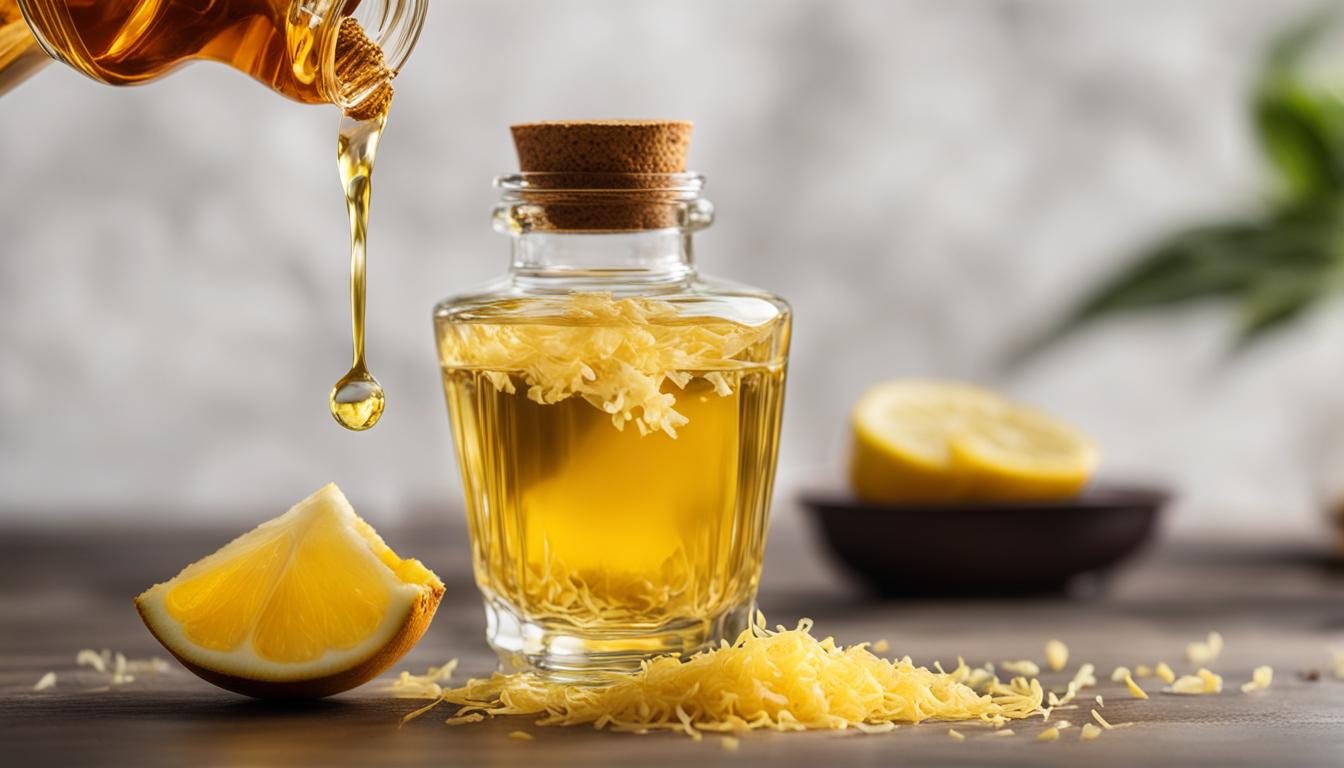
If you’ve ever pondered whether it’s safe to ingest ginger oil, you’re not alone. With the popularity of aromatherapy ginger oil and its various aromatic uses, it’s essential to understand the potential risks associated with ginger essential oil ingestion.
While the ginger oil therapeutic properties have been praised for centuries, using it safely is crucial to avoid potential health complications. In this article, we’ll delve into the critical topic of ginger essential oil ingestion and provide accurate, reliable information to ensure your safety when using this potent extract.
Exploring the Historic Roots of Ginger Oil Usage
One of the most fascinating aspects of ginger essential oil is its rich, storied history that spans over millennia and across numerous ancient civilizations like the Chinese, Greeks, Arabians, and Romans. With such a prolific past, it is no wonder that the ancient uses of ginger oil continue to intrigue both researchers and enthusiasts alike.
As a valuable trade good for more than 2,000 years, ginger oil has traditionally been utilized to alleviate various symptoms such as pain, inflammation, nausea, fever, and colds. Its renowned medicinal properties and versatility have sustained its popularity across regions spanning from Asia to Africa and Europe. Within traditional medicine and historical applications, ginger oil was a true panacea with an impressive range of uses.
“Ginger root, which comes from the plant Zingiber officinale, has long been used in Asia, Europe, and the Middle East as food and medicine.”
The persistent demand for ginger oil in the natural health sphere and commercial market underscores its enduring therapeutic significance. To provide more context into the long-standing admiration for ginger oil’s benefits, let us delve into some notable uses within traditional medicine practices.
| Ancient Civilization | Traditional Use of Ginger Oil |
|---|---|
| Chinese | Treatment for digestive issues, respiratory ailments, and to stimulate circulation |
| Greeks | Warming the body, alleviating abdominal pain, and reducing symptoms of menstrual discomfort |
| Arabians | General health tonic, enhancing libido, and providing relief for joint pain |
| Romans | Reducing inflammation, addressing indigestion, and treating nausea |
Fast forward to present-day applications, and ginger essential oil remains a prominent component in aromatherapy, skincare, and alternative medicine practices, with countless users reaping the benefits of this age-old elixir.
Whether you are looking to better understand the ancient applications of ginger oil or simply appreciate the historical context that has shaped modern-day usage, one thing is certain: ginger essential oil’s rich past offers valuable insights into how our ancestors harnessed the healing power of nature.
Understanding the Botanical Profile of Ginger
Ginger, known by its scientific name Zingiber officinale, is a highly valued plant belonging to the ginger plant family, which also includes other well-known spices like turmeric and cardamom. The botanical properties of ginger have long been cherished for their culinary and medicinal uses. In this section, we’ll explore the growth pattern of the ginger plant and the process behind obtaining its aromatic and potent essential oil.
The Ginger Plant and Its Place in the Family of Spices
The part of the ginger plant responsible for its zesty flavor and health benefits is the underground stem, known as the ginger rhizome. The rhizome contains a complex mix of essential oils, resins, and other constituents that contribute to its diverse applications. As an integral member of the ginger plant family, ginger shares some of its notable properties with its spice relatives, yet possesses its unique characteristics that make it a staple in herbal remedies and cuisine worldwide.
From Rhizome to Oil: The Process Behind Ginger Oil Extraction
Ginger essential oil – a concentrated ginger essence that captures the plant’s invigorating scent and beneficial properties – is derived through a meticulous process called distilling ginger rhizome. This method allows for efficient extraction and preservation of its valuable components.
- First, the freshly harvested ginger rhizomes are washed and allowed to partially dry.
- Next, the rhizomes are mechanically chopped or ground to break down their fibrous structure and release their oils.
- The chopped rhizomes then undergo steam distillation, which separates the volatile essential oil compounds from the plant material.
- The steam-containing oil is cooled and condensed to collect the liquid essential oil, free from impurities and plant debris.
- Finally, the concentrated ginger essential oil is bottled for use in various applications, ranging from aromatherapy to haircare products.
“The meticulous distillation process ensures that the unique scent and beneficial properties of ginger are preserved in the essential oil form.”
By understanding the origins of the ginger plant and the intricate oil extraction process, you can fully appreciate its powerful influence as a cherished aromatic and therapeutic resource.
Traditional and Current Applications of Ginger Oil
For centuries, ginger oil has been praised for its versatility in addressing various health conditions, including arthritis, digestive issues, colds, and migraines. Its distinctive aroma has made it a staple in ginger oil aromatherapy practices. The health-enhancing properties of ginger oil span beyond aromatic uses, as this potent essential oil has found its way into topical treatments for skin and hair.

Historically, ginger oil was used in traditional medicine to alleviate pain, reduce inflammation, and improve digestion. With the rise in popularity of complementary therapies, ginger oil continues to be highly sought after for its assorted health applications.
“In addition to its aromatic uses, ginger oil plays a role in topical treatments for skin and hair, with historical and current applications highlighting its perceived health-enhancing properties.”
Today, ginger oil serves various purposes in the sphere of personal care, owing to its perceived health benefits and versatility. Let’s explore some of the notable applications of ginger oil over the years:
- Topical Ginger Oil Uses: Diluted ginger oil can be applied topically for its potential anti-inflammatory and pain-reducing effects, making it a favourite remedy for arthritis sufferers.
- Ginger Oil in Haircare: Blended with carrier oils, ginger oil may help promote a healthy scalp and stimulate hair growth, thanks to its warming properties and antioxidant content.
- Ginger Oil Health Applications: Through its anti-inflammatory, analgesic, and digestive-enhancing properties, ginger oil has been used to address various health issues, ranging from muscle pain to digestive disorders.
Not only does ginger oil offer potential health benefits, but its warm and spicy aroma also makes it an excellent addition to personal care products. Here’s a peek at some popular product applications:
| Type of Product | Benefits |
|---|---|
| Aromatherapy Diffuser Blends | Helps create a warm, comforting atmosphere |
| Massage Oils | Potentially relieves muscle tension and inflammation |
| Shampoo and Hair Oil | May contribute to a healthy scalp and promote hair growth |
| Skin Lotions and Creams | Moisturises and provides potential antioxidant benefits |
In conclusion, ginger oil’s rich history and contemporary applications testify to its versatility and potential health benefits. Whether used in aromatherapy or topically for skin and hair applications, ginger oil remains a popular natural remedy that continues to capture the interest of enthusiasts and practitioners alike.
The Science Behind Ginger Oil: Potential Health Benefits

-
Digging Into the Anti-Inflammatory Properties of Ginger Oil
-
Evaluating the Effectiveness of Ginger Oil for Nausea Relief
-
Ginger Oil in Skincare: Sorting Fact from Fiction
Research studies, including those conducted on animals, have begun to delve into ginger oil anti-inflammatory capabilities. Studies suggest that ginger essential oil can protect against inflammation-related changes in organ function, with particular focus on kidney protection in rats and decreased chronic joint swelling in rheumatoid arthritis models. The implications of these studies could be significant for various health conditions where inflammation plays a pivotal role.
“A significant decrease in chronic joint swelling was observed after ginger essential oil treatment in a rheumatoid arthritis model.”
Moving on to ginger oil nausea relief, the inhalation of ginger oil aroma has traditionally been utilized for nausea relief, with postoperative conditions being a focus of several studies. While the effectiveness varies across studies, one notable 2017 study indicates that patients who inhaled ginger oil reported lower levels of nausea and vomiting compared to a placebo group. Thus, aromatherapy ginger oil for vomiting can be considered a plausible option for nausea management.
Lastly, there is evidence pointing to ginger oil’s promise in skincare, particularly in antiwrinkle creams. A study has found that ginger oil skincare properties include high antioxidant activity, which may contribute to skin health by reducing skin roughness. Additionally, daily application of ginger oil as part of an essential oils blend showed a decrease in arthritis severity and inflammation levels in a rat model.
| Potential Health Benefits | Research Findings |
|---|---|
| Anti-inflammatory effects | Decreased chronic joint swelling and kidney protection in animal studies |
| Nausea relief | Lower levels of nausea and vomiting in postoperative patients who inhaled ginger oil compared to a placebo group |
| Skincare applications | High antioxidant activity and reduced skin roughness, with potential usage in antiwrinkle creams |
Overall, ginger oil holds promising potential health benefits in the realms of anti-inflammatory effects, nausea relief, and skincare applications – all supported by growing ginger essential oil research and historical applications. As more research emerges, the full range of ginger oil benefits will become increasingly accessible to interested users who exercise appropriate safety precautions.
Is Ginger Essential Oil Safe for Everyone?
The FDA generally recognizes ginger essential oil as safe, but it’s crucial to understand that potential side effects accompany any potent botanical extract. Individual reactions to using ginger oil can vary, and there is always a risk of essential oil skin reactions, such as rashes and even toxicity.
Ginger oil safety largely hinges on proper usage and dilution, particularly when applied topically. To mitigate the risk of adverse reactions, it’s wise to perform a small skin test to assess your personal tolerance level. Both children and adults should also follow safety protocols and avoid internal consumption due to the potential for toxicity and harmful interactions with medications, allergies, or other health conditions.
Exercise caution when using ginger essential oil. Ensure proper usage and dilution to prevent adverse skin reactions, and always avoid ingestion.
Here’s a summary of crucial safety tips to bear in mind when using ginger oil:
- Always dilute ginger essential oil before applying it to your skin.
- Test the diluted oil on a small patch of skin to assess your personal tolerance level.
- Avoid ingesting ginger essential oil due to potential health risks.
- Be mindful of possible interactions with medications, allergies, or existing health conditions.

By adhering to these safety guidelines and precautions, you can harness the potential benefits of ginger essential oil in a responsible and safe manner.
The Do’s and Don’ts: Safe Usage of Ginger Oil
Ginger essential oil offers numerous potential benefits, but to harness these properties safely, proper techniques and precautions are crucial. This section explores how to dilute ginger essential oil for topical use and the best practices for ginger oil inhalation techniques in aromatherapy.
How to Properly Dilute Ginger Oil for Topical Use
Before applying ginger essential oil to the skin, it’s vital to dilute the oil with a ginger oil carrier oil like almond, jojoba, or coconut oil. A recommended concentration of essential oil solution should fall between 3 to 5 percent, approximately 20 drops per ounce of carrier oil, to ensure safety and minimise potential skin irritation.
For a 5% concentration, mix 20 drops of ginger essential oil with 1 ounce of carrier oil.
Following this guideline for topical ginger oil application helps protect the skin against irritation and prevent adverse reactions due to the concentrated nature of essential oils.
Aromatherapy with Ginger Oil: Best Practices for Inhalation
There exists a variety of secure methods for using ginger oil in aromatherapy. Two of the primary inhalation methods are as follows:
- Diffusing Ginger Oil: Using a diffuser to spread the aroma of ginger essential oil is a popular and safe method. Start with one to two drops in the diffuser and gradually increase the amount if desired.
- Steam Inhalation: For this method, add just one to two drops of ginger oil to a bowl of hot water. Inhale the steam slowly, ensuring careful adherence to the recommended dosage.
Alternatively, an option for incorporating ginger oil’s aroma into your environment is through a room spray. To do this, mix ginger oil with water and a dispersing agent, then shake vigorously before each use.
By following the guidelines outlined for both topical application and inhalation, the use of ginger essential oil becomes safer and more enjoyable for those exploring its potential benefits.
Alternative Forms of Ginger: Culinary and Medicinal Uses
When it comes to harnessing the benefits of ginger, essential oil is not the only option. In fact, a multitude of edible ginger forms offers numerous advantages for both cooking and medicinal purposes. In this section, we will explore various types of ginger and their therapeutic applications, as recognized by traditional medicine and scientific research.
- Fresh Ginger
- Dried Ginger
- Ground Ginger
- Pickled Ginger
- Candied Ginger
Scientific studies have identified these edible forms of ginger as effective in a range of health-promoting capacities, such as alleviating nausea, particularly during pregnancy, decreasing exercise-related pain, and promoting stomach emptying for functional dyspepsia patients. However, it is important to note that the efficacy of ginger can vary, as it may depend on factors such as an individual’s health condition, mode of consumption, and the specific ginger form used.
| Ginger Form | Common Medicinal Uses | Application in Cooking |
|---|---|---|
| Fresh Ginger | Nausea, Cold and Flu Relief, Digestion Aid | Soups, Stir-fries, Smoothies, Beverages |
| Dried Ginger | Pain Relief, Menstrual Cramps, Anti-inflammatory | Cookies, Cakes, Spices for Curries and Rice |
| Ground Ginger | Analgesic, Anti-inflammatory, Nausea Relief | Spices for Baked Goods, Curries, Hot Beverages |
| Pickled Ginger | Digestive Aid, Antioxidant Properties | Sushi, Rice Dishes, Appetizers |
| Candied Ginger | Nausea Relief, Temporary Relief of Sore Throat | Desserts, Chocolates, Snacks |
Despite the numerous health benefits of cooking with ginger in its various forms, keep in mind that ginger’s therapeutic potential is not a one-size-fits-all solution. As with any natural remedy, it is crucial to consider potential side effects and contraindications when incorporating ginger into your diet or trying it for medicinal purposes. Always consult a healthcare professional before making significant changes to your diet or attempting new treatments for existing medical conditions.
Ginger, in its various edible forms, has been a staple of ginger in traditional medicine for centuries, offering an array of health benefits including pain relief, digestive support, and powerful antioxidant properties.
Conclusion
As we’ve explored in this ginger essential oil guide, this potent botanical extract offers numerous benefits ranging from anti-inflammatory effects to potential nausea relief. By understanding the history, traditional applications, and scientific findings surrounding ginger oil, you can make informed decisions about its use in aromatherapy and topical treatments. However, it’s vital to remember that ginger essential oil should not be ingested, as it may lead to serious health complications.
Opting for alternative edible forms of ginger, such as fresh, dried, or ground, will allow you to enjoy the culinary and medicinal advantages of this versatile spice while maintaining your safety. As with any natural remedy, it is essential to approach the use of ginger oil with caution and familiarise yourself with the necessary safety precautions. Diluting the oil properly, using it only topically or in aromatherapy and conducting a patch test on your skin are fundamental steps to ensure your wellbeing.
By heeding these guidelines and fostering a deeper understanding of ginger oil, you’ll be well-equipped to harness its health-enhancing properties responsibly and safely. Should you have additional questions or concerns about its usage, don’t hesitate to reach out to the contact email provided at info@aromatherapy.org.nz for expert advice tailored to your Australian context.
FAQ
Can ginger essential oil be ingested safely?
No, ginger essential oil should not be ingested due to potential toxicity and adverse health effects. It is highly concentrated and intended for aromatherapy and topical applications only when properly diluted.
What are some traditional and current applications of ginger oil?
Ginger oil has been used for centuries to help ease conditions like arthritis, digestive issues, colds, and migraines. It is widely used in aromatherapy practices, as well as in skincare and haircare products due to its perceived health-enhancing properties.
How is ginger essential oil extracted from the ginger plant?
Ginger oil is derived from the ginger rhizome through a distillation process that results in a potent, concentrated essence. The oil is characterized by its strong, warm, spicy aroma.
Are there any potential health benefits of ginger oil supported by research?
Research studies suggest that ginger oil possesses anti-inflammatory properties and may help protect against inflammation-related changes in organ function. Studies have also indicated that inhaling ginger oil may provide some relief from postoperative nausea and vomiting, while its antioxidant activity suggests potential skincare benefits.
How can ginger oil be used safely and effectively?
To use ginger oil safely and effectively, always dilute it in a carrier oil such as almond, jojoba, or coconut oil before topical application. Maintain an essential oil solution concentration between 3 to 5 percent to minimize the potential for skin irritation. For aromatherapy, use a diffuser or practice steam inhalation with just one to two drops of the oil.
Are other edible forms of ginger also beneficial for health?
Yes, various studies have identified health benefits of edible forms of ginger, such as fresh, dried, ground, pickled, and candied ginger. These benefits may include relieving nausea, decreasing exercise-related pain, and increasing stomach emptying in functional dyspepsia. However, ginger essential oil should not be ingested.
Who can provide expert advice on ginger oil usage specific to the Australian context?
For further inquiries regarding ginger oil usage in the context of Australian essential oil practices, you can reach out to the provided contact email at info@aromatherapy.org.nz for expert advice.