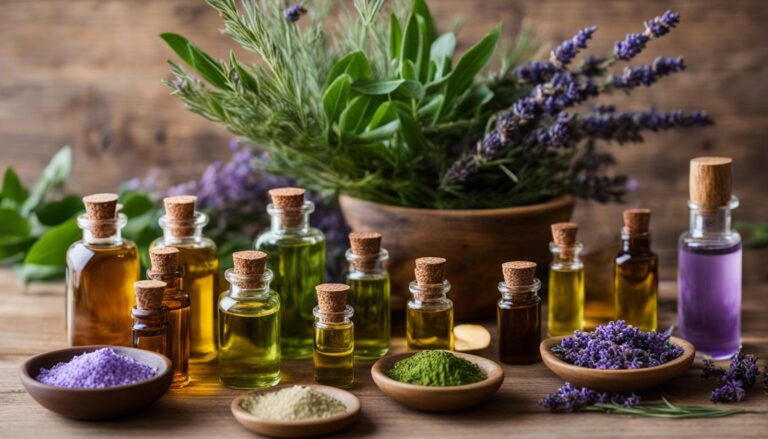
Experience Abdominal Aromatherapy for Crohn’s Disease Relief

Living with Crohn’s disease can be challenging, with symptoms such as abdominal pain, diarrhea, and fatigue impacting your daily life. If traditional medications haven’t provided the relief you’re seeking, it might be time to explore alternative treatments like abdominal aromatherapy for Crohn’s disease. This holistic treatment offers potential benefits for Crohn’s symptoms by utilising essential oils and their powerful properties. By understanding the potential benefits of aromatherapy for Crohn’s disease, you can empower yourself to make informed choices about your health and well-being.
Understanding Crohn’s Disease: Symptoms and Challenges
Crohn’s disease is a type of inflammatory bowel disease (IBD) that affects more than half a million people in the United States alone, typically developing in individuals in their 20s or those who smoke regularly. The disease is characterized by periods of intestinal inflammation flare-ups followed by remission. A deeper understanding of the nature of Crohn’s disease is crucial for managing it effectively, as both stress and certain foods can worsen symptoms.
Researchers are still investigating the precise causes of Crohn’s disease, with factors like genetics and environment playing a role. Some of the common Crohn’s disease symptoms include:
- Abdominal pain and cramps
- Diarrhea
- Blood in stool
- Fatigue and weakness
- Loss of appetite and weight loss
- Fever
Traditional treatment options often focus on reducing inflammation and may include corticosteroids, aminosalicylates, and immunosuppressants. However, these medications can come with unwanted side effects and may not always be effective in managing the condition. Consequently, many patients are now exploring alternative treatments such as managing Crohn’s pain with aromatherapy.
“Aromatherapy has the potential to provide pain relief and improve the overall quality of life for patients with Crohn’s disease when used as part of a comprehensive treatment plan.”
As the journey to finding relief from Crohn’s disease continues, patients and healthcare providers alike are finding new ways to enhance existing treatment plans. By incorporating alternative therapies such as abdominal aromatherapy, those living with this chronic condition can take a more holistic approach to managing symptoms, ultimately leading to a better quality of life.
Natural Remedies for Abdominal Pain: Exploring Options
Crohn’s disease, a type of inflammatory bowel disease, often causes severe abdominal pain in affected individuals. Alongside traditional medical treatments, natural remedies can play a significant role in alleviating pain and improving overall quality of life. In this section, we discuss the roles of diet changes, behavioural changes, and nutritional supplements in managing Crohn’s disease symptoms and providing relief from abdominal pain.
The Role of Diet and Behavioural Changes in Managing Symptoms
Individuals with Crohn’s disease can benefit greatly from making dietary and behavioural changes, particularly during flare-ups. Monitoring one’s diet and avoiding foods that trigger symptoms can improve overall health and minimise abdominal discomfort. Some suggestions for dietary changes include:
- Opting for small, frequent meals
- Consuming boiled or steamed foods instead of fried options
- Maintaining hydration by drinking plenty of water
Apart from dietary strategies, incorporating behavioural changes such as stress management, relaxation techniques, and regular exercise can also assist in alleviating Crohn’s disease symptoms. Techniques like yoga, mindfulness meditation, and breathing exercises have been shown to help reduce stress levels, thereby helping to manage the condition more effectively.
Nutritional Supplements and their Contribution to Symptom Relief
Nutritional supplements can be beneficial in providing relief from Crohn’s disease symptoms, often by addressing nutritional imbalances and enhancing overall gut health. Some popular anti-inflammatory natural supplements that show promise in reducing inflammation and associated discomfort include:
- Curcumin: The active ingredient in turmeric, curcumin is known for its potent anti-inflammatory properties and its potential to provide relief from Crohn’s disease symptoms.
- Probiotics: These supplements may enhance gut health by increasing the population of beneficial bacteria in the gut, thereby helping to manage Crohn’s and similar digestive disorders.
- Bromelain: Extracted from pineapple stems, bromelain exhibits anti-inflammatory effects and has shown potential in improving digestive health in individuals with Crohn’s disease.
It is essential to note that these nutritional supplements should be used as an adjunct to traditional medical treatment and always under the guidance of a healthcare professional. This ensures that the combination of recommended treatments optimises symptom relief for Crohn’s disease while minimising potential risks and side effects.
The Essence of Aromatherapy: An Introduction to Essential Oils
Aromatherapy is a holistic treatment that utilises essential oils to provide relief for various health conditions, including Crohn’s disease. These potent plant extracts come from various plant parts such as flowers, roots, stems, and leaves and can evoke emotional responses and physiological effects when inhaled or absorbed through the skin. The benefits of aromatherapy extend to potentially relieving symptoms such as pain, nausea, stress, and insomnia – all commonly associated with Crohn’s disease.
While research has indicated various health benefits of essential oils, including the management of essential oils for Crohn’s disease, the Food and Drug Administration (FDA) does not regulate their purity or quality. Therefore, it is crucial to choose reputable brands and consult healthcare providers before incorporating essential oils into your treatment plan.
“Essential oils have the potential to provide relief for various health conditions, including Crohn’s disease, by evoking emotional responses and physiological effects when inhaled or absorbed through the skin.”
To ensure you fully grasp the introduction to essential oils and the aromatherapy experience, let us explore how these oils are typically used in this practice.
- Direct Inhalation: Breathing in the essential oil directly from a bottle, tissue, or cotton ball.
- Diffusion: Dispersing the oil’s aroma into the air using a diffuser, often for a specific period.
- Steam Inhalation: Breathing in vaporised essential oils mixed with hot water, often used to relieve respiratory congestion or sinusitis symptoms.
- Topical Application: Massage and absorption of diluted essential oils into the skin, providing localized relief.
Now that you have a basic understanding of aromatherapy and how essential oils can be implemented to provide relief for Crohn’s disease, it is crucial to recognise the importance of a tailored approach. Remember to consult your healthcare provider for recommendations on reputable brands and guidance on safe use.
| Essential Oil | Benefit |
|---|---|
| Peppermint | Relieves abdominal pain, nausea, and bloating |
| Lavender | Reduces stress and anxiety |
| Chamomile | Soothes inflammation and digestive discomfort |
| Ginger | Alleviates nausea and supports digestion |
Abdominal Aromatherapy for Crohn’s Disease: The Potential Benefits
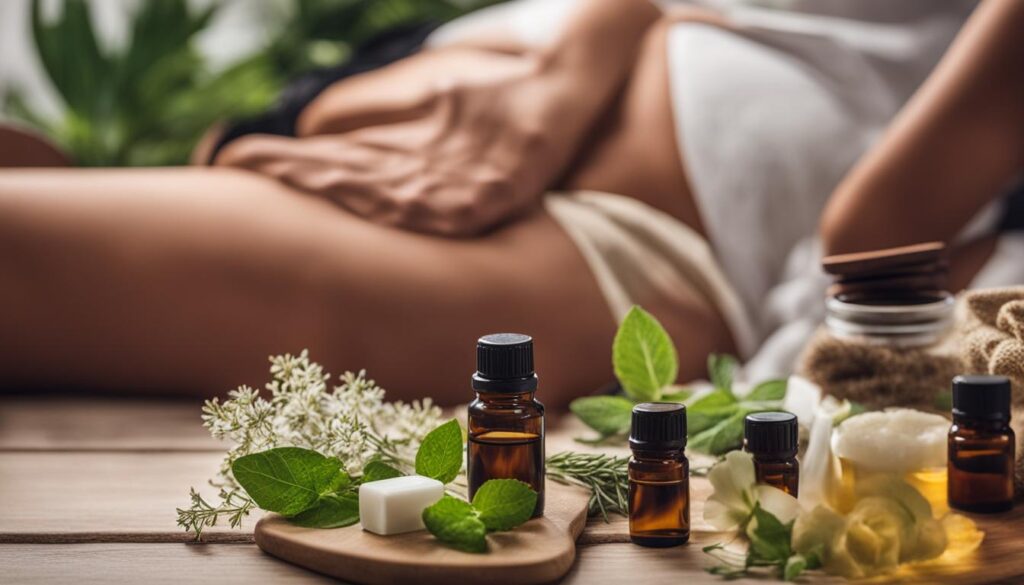
Abdominal aromatherapy has been suggested as a complementary approach to help with symptoms associated with Crohn’s disease, particularly abdominal pain. This holistic treatment for digestive disorders utilises the healing properties of essential oils, promoting relaxation and alleviating discomfort. In this section, we’ll explore various essential oils that are known for soothing abdominal pain, and discuss the potential benefits of incorporating abdominal massage into your Crohn’s disease management plan.
Essential Oils Known for Soothing Abdominal Discomfort
Several essential oils have been reported to help alleviate abdominal pain and discomfort associated with digestive disorders like Crohn’s disease. These oils exhibit anti-inflammatory, analgesic, and digestive aid properties that can be beneficial when used in abdominal aromatherapy.
- Wormwood: While still limited in research, wormwood has demonstrated positive effects on Crohn’s remission in its ingested form. Its potential for use as an essential oil in abdominal aromatherapy may offer similar benefits.
- Patchouli oil: Known for its anti-inflammatory and digestive aid properties, patchouli oil can be effective in reducing inflammation and soothing discomfort.
- Peppermint oil: Widely used to settle stomach issues, peppermint oil has shown promise for its anti-inflammatory properties, which could benefit individuals with Crohn’s when applied through abdominal aromatherapy.
Abdominal aromatherapy provides a gentle and non-invasive approach to addressing Crohn’s disease symptoms, offering a potential complementary treatment option for patients seeking relief from abdominal pain.
Along with the use of essential oils, abdominal massage can help enhance the effects of aromatherapy for Crohn’s disease management. By gently massaging the abdominal area, you can aid in the absorption of oils through the skin and improve circulation, thereby maximising the potential benefits of the essential oils used.
Incorporating abdominal aromatherapy and massage into your Crohn’s disease management plan may provide symptom relief and improve your overall wellbeing. However, it is crucial to consult your healthcare provider before starting any new treatment to ensure its safety and compatibility with your existing care plan.
Spotlight on Specific Essential Oils: Wormwood and Patchouli’s Promising Effects
As investigators continue to study the effects of essential oils on Crohn’s disease symptoms, two plant extracts—wormwood and patchouli oil—are capturing researchers’ attention due to their potential benefits in managing the condition.
Wormwood, a plant with a long history in traditional medicine, has shown promising results in helping Crohn’s disease patients achieve remission when ingested. Although studies have not yet examined its effects as an essential oil, it is plausible that its potential benefits may extend to use in aromatherapy.
“Wormwood has demonstrated efficacy better than a placebo in achieving remission for Crohn’s disease patients in ingestion studies.”
On the other hand, patchouli oil, derived from the leaves of the Pogostemon cablin plant, is known for its rich, earthy aroma and numerous health benefits. Animal research has supported its potential role in addressing inflammation, promoting antioxidants, and aiding in digestive issues like ulcers and colitis. These findings might have implications for Crohn’s disease management through the use of aromatherapy.
| Essential Oil | Possible Benefits for Crohn’s Disease |
|---|---|
| Wormwood | Improving remission rates when ingested; potential benefits as an essential oil. |
| Patchouli | Anti-inflammatory and antioxidant properties; support for digestive issues like ulcers and colitis. |
While further research is needed to provide a definitive evaluation of the potential benefits of wormwood and patchouli in managing Crohn’s disease, their promising effects offer hope for new, natural healing options. As always, ensure that you consult with your healthcare provider before introducing any new essential oils or treatments to avoid potential interactions or adverse effects.
Peppermint and Other Plant Extracts: Analysing Their Anti-Inflammatory Properties
Peppermint oil, when used in aromatherapy, may help ease symptoms of Crohn’s disease due to its potential anti-inflammatory effects. A study involving menthol, a component of peppermint, improved several markers of health in colitis model rats, indicating possible benefits for Crohn’s disease patients. 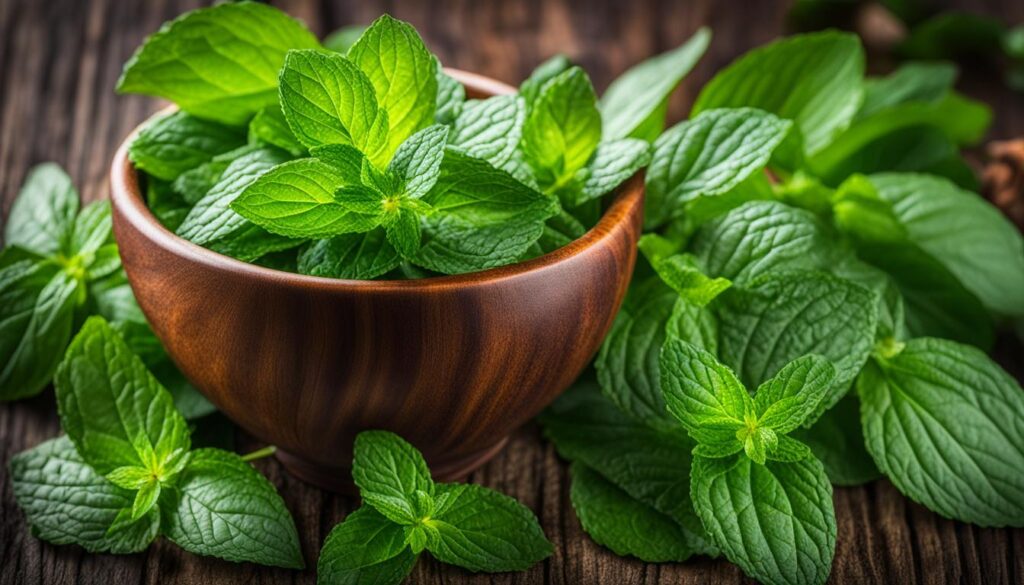
Frankincense, derived from the resin of the Boswellia tree, and basil essential oil also exhibit anti-inflammatory effects that may be advantageous for those with Crohn’s. However, more research is needed to confirm their safety and effectiveness as holistic remedies for inflammation.
“Peppermint oil, frankincense, and basil essential oil, among others, could offer anti-inflammatory benefits to individuals with Crohn’s disease, but further research is necessary to substantiate these claims.”
To better understand the potential of these plant extracts, let’s compare their properties and explore some of the existing research on their anti-inflammatory effects.
| Plant Extract | Active Compounds | Anti-Inflammatory Properties |
|---|---|---|
| Peppermint | Menthol | Shown to improve markers of health in colitis model rats |
| Frankincense | Boswellic acids | Known for its anti-inflammatory effects, requires further study in relation to Crohn’s |
| Basil | Eugenol, linalool | Exhibits anti-inflammatory properties, more research needed for Crohn’s-specific applications |
It’s clear that the potential of plant extracts and their anti-inflammatory properties should be explored further. As research on these natural substances progresses, individuals suffering from Crohn’s disease may discover additional holistic options for managing their symptoms.
- Always consult with your healthcare provider before trying new remedies.
- Choose high-quality essential oils from reputable brands.
- Stay informed about the latest research and findings regarding these plant extracts.
In conclusion, peppermint, frankincense, and basil essential oils present promising anti-inflammatory properties that warrant further study in the context of Crohn’s disease. With ongoing research and increased understanding, these plant extracts may soon play a more prominent role in developing effective holistic remedies for inflammation and Crohn’s disease management.
How to Safely Implement Aromatherapy into Your Crohn’s Disease Management Plan
When considering aromatherapy for Crohn’s disease, it is crucial to approach it safely and effectively. This involves selecting quality essential oils, understanding essential oil dosage, consulting healthcare providers, and following safe alternative therapies guidelines.
Selecting Quality Essential Oils and Understanding Dosage
Quality is of paramount importance when selecting essential oils for aromatherapy. Various factors can impact the quality of essential oils, including the plant’s growing conditions and the extraction process. You should always choose reputable brands that maintain high standards in cultivating and handling plants and their extracts.
Pro tip: Look for brands that provide clear information about their sourcing methods, extraction techniques, and testing procedures to guarantee quality, purity, and potency.
Understanding essential oil dosage is equally crucial, as using too much can lead to adverse reactions. When applying essential oils topically, it is important to dilute them with carrier oils such as almond or coconut oil, as using them undiluted can result in skin irritation. Consulting a healthcare provider or certified aromatherapist for proper dosage recommendations is essential to ensure safe practices are followed.
Consulting Health Care Providers Before Beginning Aromatherapy
Given the potential risks associated with essential oils, it is vital to consult healthcare providers before starting any new treatment. This is particularly important for conditions like Crohn’s disease. Essential oils carry risks such as:
- Allergic reactions
- Toxicity if swallowed
- Loss of antioxidant properties before reaching the small intestine
A healthcare provider or certified aromatherapist can guide proper use and mitigate risks associated with essential oils. They may also be able to recommend trusted brands and provide guidance on integrating aromatherapy into your Crohn’s disease management plan.
In summary, to safely implement aromatherapy into your Crohn’s disease management plan, focus on selecting quality essential oils, understanding essential oil dosage, and consulting healthcare providers. By adhering to safe aromatherapy practices, you can confidently explore this alternative therapy as a potential means to relieve symptoms associated with Crohn’s disease.
Abdominal Massage Techniques for Enhancing Aromatherapy’s Effects
Abdominal massage, when combined with aromatherapy, may enhance the soothing effects of essential oils for Crohn’s disease symptoms. By combining these two therapies, you can not only maximise the potential benefits for your digestive health but also experience relaxation and stress relief. With the right massage techniques, you can aid in the absorption of oils through the skin and improve circulation to the area, helping to achieve the desired effects of aromatherapy more efficiently.
The following abdominal massage techniques are easy to perform at home while using essential oils to enhance their effectiveness:
- Effleurage: This technique involves gentle circular stroking movements with your fingertips or palm, promoting relaxation and skin absorption of essential oils.
- Petrissage: A kneading motion, which focuses on lifting and squeezing the abdominal muscles, helps to improve circulation and mobilise the digestive organs.
- Palmar friction: Rubbing the palms of your hands back and forth across the abdomen generates heat, stimulating the area and enhancing the effects of the essential oils.
Remember to always dilute your essential oils with a carrier oil, such as sweet almond or coconut oil, to avoid skin irritation.
By incorporating these abdominal massage techniques into your aromatherapy routine, you may experience better support in managing Crohn’s disease symptoms. It is crucial to listen to your body and consult your healthcare provider before embarking on any new treatments, as individual responses and contraindications may vary.

Finally, consider tracking your progress by making a note of your physical and emotional state before and after each abdominal aromatherapy massage. This may help you determine whether these techniques are making a significant difference in alleviating your Crohn’s symptoms and contributing positively to your overall wellbeing.
Alternative Therapies for Crohn’s Disease: Beyond Aromatherapy
While aromatherapy offers some potential benefits for Crohn’s disease patients, it’s worth exploring other alternative and complementary treatment options as well. From probiotics to acupuncture and other interventions, these therapies may further improve the quality of life for people with inflammatory bowel diseases (IBD).
Probiotics, Acupuncture, and Other Complementary Treatments
Consider the following alternative therapies that show promise for those living with Crohn’s disease:
- Probiotics: Known for their role in improving gut health, probiotics for Crohn’s disease can help balance the intestinal microbiome. By increasing the number of beneficial bacteria, these supplements may alleviate some symptoms and reduce inflammation in the gastrointestinal tract, enhancing overall digestive health.
- Acupuncture: This ancient Chinese practice involves inserting fine needles into specific points on the body to stimulate natural healing processes. Studies have reported acupuncture benefits, such as reducing Crohn’s symptoms and inflammation, although more research is needed to confirm its effectiveness and safety for IBD patients.
- Medical Cannabis: Some research suggests that medical cannabis may help with Crohn’s disease symptoms, such as nausea, pain, and appetite regulation. However, the therapeutic use of cannabis should be discussed with healthcare providers to weigh potential benefits and risks.
It’s important to note that these therapies are complementary to conventional medical treatments and should not replace prescribed medications or care without proper consultation with a healthcare professional. Always discuss any new therapies with your healthcare team before incorporating them into your Crohn’s disease management plan.
| Alternative Therapy | Potential Benefits | Considerations |
|---|---|---|
| Probiotics | Improved gut health, reduced inflammation | Discuss with healthcare providers, consider product quality, monitor individual response |
| Acupuncture | Symptom and inflammation reduction | Seek qualified practitioner, evaluate safety and effectiveness in conjunction with medical care |
| Medical Cannabis | Nausea control, pain relief, improved appetite | Discuss with healthcare providers, evaluate potential benefits and risks, adhere to local laws and regulations |
In conclusion, a holistic approach towards Crohn’s disease management can include alternative therapies such as probiotics, acupuncture, and others, alongside aromatherapy and traditional medical care. Careful consideration and consultation with healthcare providers can help you tailor the most suitable treatment plan to improve your well-being and quality of life.
Conclusion
In conclusion, exploring holistic treatments for Crohn’s disease, such as managing Crohn’s pain with aromatherapy, can potentially offer symptom relief and improve the quality of life for those affected by this chronic condition. Abdominal aromatherapy, as a complementary treatment strategy, may provide relief from abdominal pain and other symptoms associated with Crohn’s disease when used carefully and properly.
It is essential to consider the quality of essential oils, consult healthcare providers, and integrate these therapies safely into the overall management plan for Crohn’s disease. With continued research, a better understanding will emerge about the benefits and risks of these natural remedies and how they can best be utilised alongside traditional treatments.
If you have any questions or comments regarding abdominal aromatherapy for Crohn’s disease, please don’t hesitate to reach out for further information and support. Remember, when exploring alternative therapies, it is crucial to work closely with your healthcare team to find the most effective and safe solutions tailored to your specific needs and health conditions.
FAQ
What is abdominal aromatherapy for Crohn’s disease?
Abdominal aromatherapy for Crohn’s disease is a holistic treatment that uses essential oils to potentially help relieve symptoms like abdominal pain, nausea, and stress. Essential oils are extracted from various plant parts and can be inhaled or absorbed through the skin, providing emotional and physical benefits.
Which essential oils are recommended for Crohn’s disease?
Wormwood, patchouli, and peppermint are some essential oils with potential benefits for Crohn’s disease. Wormwood may help in achieving remission, patchouli is known for its anti-inflammatory and digestive aid properties, and peppermint is known for its anti-inflammatory effects and ability to soothe stomach issues.
How can I safely incorporate aromatherapy into my Crohn’s disease management plan?
To safely incorporate aromatherapy into your management plan, it’s important to select quality essential oils, understand correct dosage, and consult with healthcare providers before starting any new treatment. A healthcare provider can guide proper use and mitigate risks associated with essential oils.
Can abdominal massage help enhance the effects of aromatherapy for Crohn’s symptoms?
Yes, abdominal massage may enhance the soothing effects of essential oils for Crohn’s disease symptoms. Massage techniques can aid in the absorption of oils through the skin and improve circulation in the area, potentially enhancing the beneficial properties of the essential oils used.
Are there other alternative therapies for Crohn’s disease besides aromatherapy?
Yes, there are other alternative therapies such as probiotics, acupuncture, and medical cannabis, which have shown potential benefits for Crohn’s disease. The safety and efficacy of alternative treatments should be explored further through research, and always consult healthcare providers before trying new therapies.