
Using Cedarwood and Lavender Essential Oil for Ticks
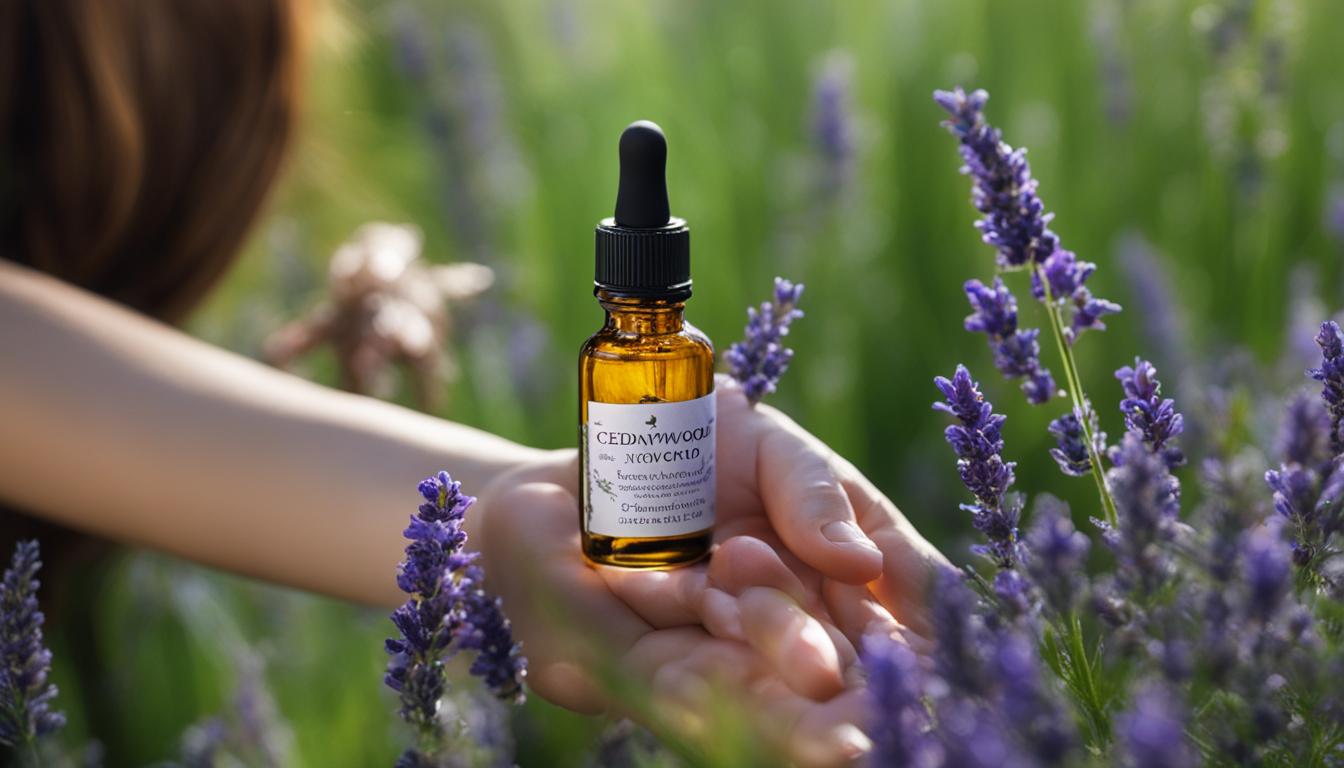
Australia is known for its beautiful landscapes and abundant wildlife, but with these natural wonders come some unwelcome critters, such as ticks. If you’re looking for a natural tick prevention method that doesn’t involve harsh chemicals, then cedarwood and lavender essential oils might be the answer for you. These oils offer a safe, effective, and aromatic way to repel ticks and protect yourself from their bites.
The Menace of Ticks in the Aussie Outdoors
Australia’s diverse outdoor landscapes, from pristine beaches to picturesque hiking trails and lush parks, provide a wonderful backdrop for a range of outdoor activities. However, the seemingly harmless act of enjoying the great Australian outdoors holds an underlying risk – the tick menace. Ticks are prevalent throughout the country, raising concerns for Australians venturing into these natural settings.
These tiny, yet formidable insects are most active when the weather is warm, exacerbating the risk of contracting tick-borne diseases. Such diseases pose a serious threat to the health and wellbeing of those who enjoy the outdoors. The necessity for effective tick prevention strategies becomes crucial to safely experience Australia’s great outdoors.
“The risk of contracting illnesses from ticks is a concern for Australians who enjoy these natural landscapes.”
Among the various tick-borne diseases plaguing the Australian outdoors are the debilitating bacterial infection, Lyme disease, and the potentially lethal Rickettsial Spotted Fever. Combating the tick menace must be a priority for outdoor enthusiasts, as these diseases can have lasting consequences on one’s health.
- Lyme disease: Caused by the bacterium Borrelia burgdorferi, Lyme disease can result in severe joint pain and neurological problems.
- Rickettsial Spotted Fever: This group of diseases, caused by Rickettsia bacteria, can lead to severe symptoms and even death in some cases.
Implementing appropriate tick prevention measures contributes to a safer and more enjoyable outdoor experience for Australians and visitors alike. By understanding the potential dangers ticks pose and adopting suitable protection methods, it is possible to minimize the risk of tick-borne illnesses and savor the wonders of the Australian outdoors.
| Outdoor Activity | Tick Risk | Precautionary Measures |
|---|---|---|
| Beach visits | Medium | Wear protective clothing and repellent when exploring surrounding vegetation. |
| Hiking | High | Use tick repellent, wear long clothing, and perform regular tick checks. |
| Picnics and outdoor gatherings | Medium-High | Choose a well-maintained area for gathering, avoid long grass, and apply tick repellent. |
| Gardening | High | Apply tick repellent, wear protective clothing, and maintain a tidy yard. |
In conclusion, ticks in the Australian outdoors are a pressing issue and demand proper prevention strategies. By staying informed about the risks of tick-borne diseases and taking the necessary steps to deter ticks, outdoor enthusiasts can continue to relish Australia’s natural beauty without fear.
Natural Tick Repellents: An Overview
With tick-borne diseases becoming increasingly prevalent, it’s crucial to explore effective and safe tick prevention methods. Essential oils, extracted from various plants, have been utilized as natural tick repellents for many years and offer a sustainable, non-toxic approach to tick prevention. In this section, we will delve into the benefits of using essential oils for tick control and examine the advantages of choosing natural repellents over their chemical counterparts.
Understanding Essential Oils’ Role in Tick Prevention
Essential oils, derived from diverse botanical sources, possess numerous therapeutic properties, including the ability to repel ticks. These oils work by interfering with the ticks’ sensory receptors, making it difficult for them to locate potential hosts. While there are many essential oils with potential tick-repelling properties, cedarwood and lavender have proven to be particularly effective at providing natural tick control.
Essential oils offer a botanical method of tick prevention without the use of harsh chemicals.
Why Choose Natural Over Chemical Repellents?
Chemical tick repellents, while undoubtedly effective, are fraught with several concerns. These include adverse reactions on the skin and the environment, as well as the potential to harm beneficial insects and wildlife. In contrast, essential oils present a more eco-friendly option that is both effective and safe for humans, pets, and the environment.
- Safe for the Skin: When used correctly, natural tick repellents based on essential oils are less likely to cause skin irritation or other adverse reactions.
- Eco-Friendly: Essential oils are biodegradable and derived from renewable plant sources, making them a more environmentally responsible choice.
- Pleasant Aroma: Unlike chemical repellents, essential oils have naturally pleasant fragrances, which make utilizing them more enjoyable.
In summary, natural tick repellents, such as essential oils, offer a viable alternative to conventional chemical-based prevention methods. By incorporating these botanicals into your tick prevention toolkit, you can better protect yourself and your furry friends from the growing threat of tick-borne diseases. Moreover, you will be contributing to a safer, healthier environment for all.
The Power of Cedarwood Oil Against Ticks
Cedarwood oil has long been hailed for its effectiveness as a natural insecticide, particularly in the battle against ticks. This potent oil has a weapon in its arsenal – cedrol, a compound known for its toxicity to tick larvae. Cedrol’s main strength lies in its ability to kill ticks on contact, making it a valuable ally in tick prevention.
One might wonder how cedarwood oil manages to be such an effective tick repellent. The key lies in its musky aroma, which not only pleases humans but also deters ticks from seeking their next meal. This aromatic characteristic adds to the oil’s natural insecticide properties, offering a powerful defense against these disease-spreading pests.
“Cedarwood oil is a great addition to any natural tick prevention arsenal. Its aroma and effectiveness in deterring ticks make it an ideal choice for those wanting to avoid chemical-based repellents.”
When it comes to tick prevention, there are many ways to harness the power of cedarwood oil:
- Mix cedarwood oil with a carrier oil or alcohol to create a tick-repellent spray
- Add a few drops to your usual body lotion or moisturizer for extra protection
- Include cedarwood oil in a blend with other essentials oils known for their tick-repelling properties
Maintaining a tick-free environment is of utmost importance, and cedarwood oil presents a natural, non-toxic solution. When carefully researched and applied correctly, cedarwood oil provides an effective means of protecting yourself and your loved ones from the risks posed by ticks.
Benefits of Lavender Oil for Tick Control
Lavender oil is highly regarded for its ability to control tick infestations safely and effectively. It is suitable for all ages and poses no harm when applied topically, provided it is appropriately diluted. Furthermore, it is lethal to ticks and their eggs, disrupting the life cycle of these pesky arachnids. Its pleasant fragrance is an added benefit, making it a popular choice for natural tick prevention.

The multiple lavender oil benefits can be attributed to its properties that target ticks and tick eggs:
- Tick toxicity: Lavender oil has been found to exhibit toxicity towards ticks, causing their death upon contact.
- Tick egg toxicity: The oil is also able to kill ticks in their egg stage, preventing further growth and reproduction.
- Repellent effect: The scent of lavender oil deters ticks from latching onto humans and pets, thanks to its pleasing yet potent aroma.
- Safe topical use: When properly diluted, lavender oil is safe to use on the skin for protection against ticks.
“Lavender oil not only serves as an effective solution for tick control, but its calming scent adds a pleasant touch to the experience.”
Although lavender oil has multiple advantages, it is crucial to understand how to safely use it for tick prevention. Please note the following recommendations:
- Always dilute lavender oil with a carrier oil before applying it directly to the skin.
- Conduct a patch test on a small area of skin before extensive use to ensure no adverse reaction occurs.
- Reapply diluted lavender oil as needed during outdoor activities for continuous protection.
- For extra precaution, add a few drops of lavender oil to clothing or gear to deter ticks even further.
In conclusion, the benefits of lavender oil for tick control make it a popular and effective choice for individuals seeking a natural solution to protect themselves and their families from ticks and the diseases they carry. By understanding its properties, ensuring safe use, and incorporating it into everyday prevention routines, the risk of tick bites and associated illnesses can be significantly reduced.
Essential Oil Blends: Maximising Tick Repellency
To achieve optimal protection from ticks, it is essential to use a combination of powerful essential oils that work synergistically to deter these pesky insects. One such pairing is the cedarwood and lavender combination, which enhances tick repellency while providing a pleasant aromatic experience.
Combining Cedarwood and Lavender
When blended together, cedarwood and lavender essential oils create a potent tick repellent that leverages the strengths of both oils. Cedarwood, known for its cedrol content, serves as a natural insecticide, toxic to ticks and their larvae. Lavender brings its own benefits to the blend as it is lethal to ticks and their eggs, safe for topical use, and emits a pleasant fragrance. This dual-action approach to tick prevention helps to maximise repellency and ensure a more robust shield against tick bites.
Adding Supporting Oils for Enhanced Effectiveness
Boosting the tick repellent synergy of cedarwood and lavender essential oils can be achieved by incorporating additional supporting essential oils such as:
- Peppermint – Known for its cooling sensation and invigorating aroma, peppermint oil is also effective in deterring ticks.
- Tea tree – With its antifungal, antimicrobial, and insecticidal properties, tea tree oil is another powerful addition to your tick preventative blend.
- Lemongrass – Recognised for its fresh, citrusy scent and its ability to repel a variety of pests, including ticks, lemongrass oil is a popular choice for synergising with cedarwood and lavender.
These supporting essential oils not only enhance the effectiveness of your tick repellent blend but also provide additional aromatic benefits, making your natural tick prevention solution more enjoyable to use.
To achieve the best results with essential oil blends, always use high-quality, therapeutic grade essential oils and follow proper dilution guidelines to ensure safe and effective application.
Application Tips for Essential Oil Tick Repellents
Applying essential oil tick repellents effectively is crucial to ensure maximum protection against ticks. For a safe and successful application, follow these essential oil application tips to make the most of your tick repellent:

- Dilute essential oils with carrier oils: Essential oils should always be diluted with carrier oils such as jojoba, almond, or coconut oil, to reduce skin irritation and ensure a consistent blend. A general rule of thumb is to use a 2-4% essential oil concentration in your carrier oil.
- Patch test for skin sensitivity: Apply a small amount of the diluted essential oil blend to a patch of skin, and wait at least 24 hours to check for reactions. If no irritation occurs, proceed with using the essential oil blend as a tick repellent.
- Apply to clothing and gear: For added protection, you may also apply the diluted essential oil blend to clothing, shoes, and outdoor gear, rather than directly to skin. This can help create a barrier against ticks while decreasing the chance of skin irritation.
- Create your own tick repellent spray: Fill a spray bottle with a mixture of water, your chosen carrier oil, and the essential oil blend for a convenient and easy-to-use tick repellent solution. Shake the bottle well before each use, and spray on clothes and exposed skin as needed.
In addition to selecting the right carrier oils and diluting your essential oil blends, incorporating additional tick repellent tips into your essential oil application routine can further boost your tick prevention efforts. Consider revisiting the places you frequent in the Australian outdoors or at-home strategies for a comprehensive approach to staying tick-free.
“Remember, proper essential oil application and correct usage are key to effectively repelling ticks and enjoying a safe outdoor experience.”
Taking the time to understand and apply essential oil tick repellents appropriately can drastically reduce your risk of tick-borne diseases and enable you to make the most of Australia’s beautiful outdoors.
Safety First: Proper Use of Essential Oils on the Skin
When it comes to using essential oils for tick prevention, essential oil safety should always be the top priority. Ensuring the proper application of these potent oils is crucial to avoid any issues related to skin sensitivity. This section will guide you on how to use essential oils on your skin safely and effectively.
First and foremost, never apply essential oils directly to your skin at full strength. It’s important to dilute them with a carrier oil, such as almond oil, coconut oil, or jojoba oil before application. Carrier oils not only help to reduce the concentration of the essential oil but also facilitate their absorption into the skin.
“Performing a patch test before widespread use is crucial to avoid potential skin irritation.”
Here are the recommended steps to perform a patch test:
- Dilute a few drops of the essential oil with a carrier oil, following the recommended dilution ratio for the specific essential oil you are using.
- Apply a small amount of the diluted oil to the inside of your forearm or behind your ear.
- Wait for 24 hours to observe if there’s any skin reaction, such as redness, itching, or swelling. If no adverse reaction occurs, it’s safe to use the essential oil on a larger area of your skin.
In addition to performing a patch test, there are other essential oil safety guidelines you should follow:
- Always follow the recommended dilution rate for specific essential oils.
- Be cautious when applying essential oils on sensitive areas, such as the face and neck. Use a lower dilution rate and avoid mucous membranes or eyes.
- If you have a pre-existing skin condition or are pregnant, consult a healthcare professional before using essential oils on your skin.
Adhering to these safety precautions will ensure that you can enjoy the benefits of essential oil tick prevention while minimizing the risk of any skin irritation or adverse reaction.
Maintaining a Tick-Free Zone in Your Backyard
Creating a tick-free backyard is an essential step in enjoying outdoor activities without fear of tick infestations. With a few simple landscaping tips and effective tick barriers, you can protect your family and pets from tick-borne diseases.
- Keep lawns trimmed and free of excessive grass clippings.
- Remove leaf and debris piles where ticks could find refuge.
- Install tick barriers such as wood chips or gravel between wooded areas and recreational spaces.
- Eliminate tick habitats by reducing tall vegetation, dense bushes, and ground cover.
- Employ deer-resistant plants and fencing to limit contact with tick carriers.
Using essential oils in your outdoor tick prevention plan can act as a natural barrier against tick infestation. Cedarwood and lavender essential oils can be applied to your garden to repel ticks effectively. Here’s how you can create your own essential oil tick repellent spray:
Combine 20 drops of cedarwood essential oil and 20 drops of lavender essential oil with 4 ounces of water and 2 ounces of witch hazel in a spray bottle. Shake well before each application and spray around your backyard, focusing on tick-prone areas.
Proper landscaping and tick prevention measures combined with the use of essential oils can help ensure a tick-free zone for you and your family to enjoy.

Expert Advice on Essential Oils and Tick Prevention
Experts in the field of essential oils and natural remedies often recommend the use of cedarwood and lavender oils for tick prevention. These natural solutions have gained traction due to their efficacy and safety when compared to chemical repellents. In this section, we will discuss expert tips and how to properly use these essential oils for the best results.
Quality is of paramount importance when it comes to the effectiveness of essential oil tick prevention strategies. Choose therapeutic grade oils from reputable brands to ensure that your chosen essential oils are potent and safe for use. Professionals recommend investing in quality oils for the greatest benefits and optimal results.
Complementary prevention strategies are essential in addition to using essential oils. Experts suggest the following tips for proper tick prevention:
- Wear loose, light-coloured, long-sleeved shirts and pants.
- Tuck pants into socks or boots to create a barrier.
- Check for ticks frequently during and after outdoor activities.
- Remove and wash clothes after spending time outdoors.
Dr. Joshua Zeichner, MD, a New York-based dermatologist and Director of Cosmetic and Clinical Research at Mount Sinai Hospital, supports the use of essential oils for tick prevention. He states, “The data suggests that essential oils derived from plants may be effective in preventing tick bites.”
It is important to follow professional recommendations when using essential oils, especially when it comes to proper dilution. As a general rule, essential oils should be diluted with a carrier oil (such as fractionated coconut oil or sweet almond oil) before applying to the skin. For tick prevention, a dilution rate of 2-3% is typically suggested.
| Essential Oil | Safety Precautions |
|---|---|
| Cedarwood | Avoid use during first trimester of pregnancy. Dilute prior to skin application. |
| Lavender | Safe for most people, including children. Perform a patch test before use. Dilute prior to skin application. |
By following expert tips, employing essential oil efficacy, and implementing tick prevention strategies, you can safely enjoy the great Australian outdoors while protecting yourself and your loved ones from tick-borne diseases.
Natural Tick Solutions: Embracing Cedarwood and Lavender Oils
As you enjoy the beautiful Aussie outdoors, it’s crucial to protect yourself from tick bites effectively. Cedarwood and lavender essential oils serve as a natural tick solution, enabling you to enjoy outdoor activities with a holistic approach to health and tick prevention.
By understanding the powerful properties of these essential oils, you can take charge of your safety during outdoor adventures. Remember, however, that incorporating cedarwood and lavender oils into your tick prevention strategy is only one part of the puzzle. Taking other precautions, such as wearing protective clothing and checking your body for ticks after outdoor exposure, is equally important.
Arm yourself with knowledge and quality essential oils, and confidently explore the diverse natural landscapes of Australia. Here’s to a tick-free journey, enjoying the great outdoors without the worry of tick-borne diseases!
FAQ
How are cedarwood and lavender essential oils effective against ticks?
Both cedarwood and lavender essential oils have tick-repelling properties. Cedarwood oil contains cedrol, which is toxic to ticks and their larvae, while lavender oil is safe for topical use and is lethal to ticks and their eggs. When used correctly, these essential oils can provide natural and aromatic tick prevention.
What are the benefits of using natural tick repellents over chemical ones?
Natural tick repellents, such as essential oils, are a safer alternative to chemical repellents because they provide effective tick control without causing potential harm to the skin or the environment. They eliminate the need for potentially harmful chemicals that can cause allergies or irritations.
Can essential oils be combined to enhance their tick-repelling effectiveness?
Yes, blending cedarwood and lavender essential oils can enhance their repellent effect against ticks. Incorporating other essential oils like peppermint, tea tree, and lemongrass can further boost the effectiveness of a tick repellent blend, as they also have tick-repelling properties and work synergistically with cedarwood and lavender.
How should essential oils be applied as tick repellents?
For proper application, essential oils should be diluted with a carrier oil and tested on a small area of skin first to ensure no adverse reaction. Applying the oil to clothing or using sprays infused with essential oils can provide additional protection from ticks.
What safety measures should be taken when using essential oils on the skin?
Safety is crucial when using essential oils on the skin. They should be diluted in carrier oils and not applied at full strength. It’s also important to perform a patch test before widespread use to avoid potential skin irritation.
How can I maintain a tick-free zone in my backyard?
Creating a tick-free backyard involves strategic landscaping, such as keeping lawns trimmed and removing leaf piles. Using essential oil sprays around your garden can act as a natural barrier against tick infestations.
What expert advice is available on using essential oils for tick prevention?
Experts recommend essential oils like cedarwood and lavender for tick prevention. They advise on safe usage, the importance of quality oils, and complementary prevention strategies, such as wearing protective clothing and checking for ticks after spending time outdoors.