Unlock the Power of Helichrysum for Varicose Veins Relief
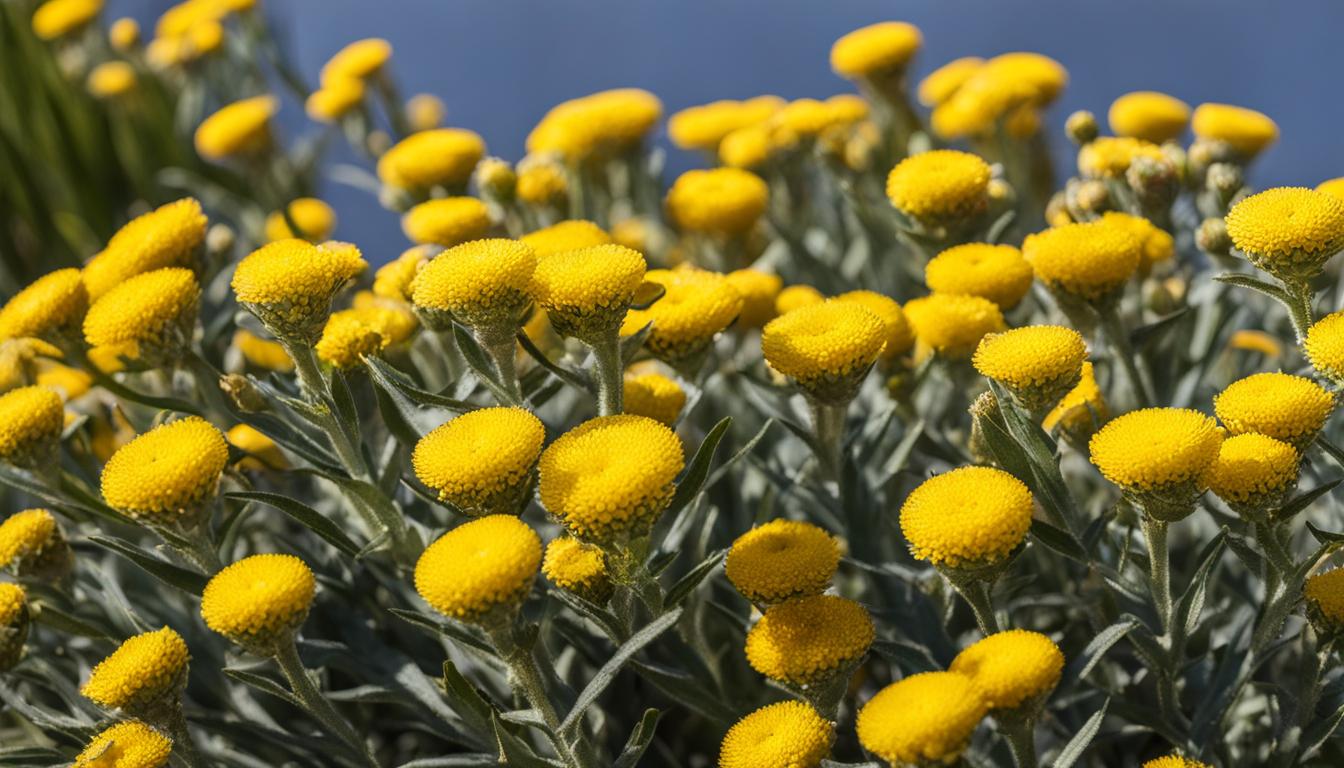
Discover the potential of Helichrysum essential oil to provide varicose veins relief and serve as a natural treatment for vein discomfort. Sourced from the Mediterranean plant Helichrysum italicum, this oil offers a range of benefits that can address pain and inflammation associated with varicose veins. As an alternative to conventional treatments, explore the healing properties of Helichrysum oil and learn how to incorporate it into your wellness routine to find relief from varicose veins discomfort. Let’s delve deeper into what Helichrysum can offer for those seeking varicose veins natural solutions in Australia.
Introduction to Helichrysum Italicum
Helichrysum italicum, commonly referred to as the curry plant, is a renowned Mediterranean herb predominantly used for its distinct aroma and various medicinal applications. The valued Helichrysum essential oil is obtained from steam-distilling its flowers and leaves, resulting in a product heavily utilised for its health-promoting properties. While promising laboratory and animal studies underscore the potential of its anti-inflammatory and antimicrobial effects, additional human research is necessary to better understand its traditional uses and support its benefits.
Apart from its unmistakable scent, the curry plant boasts a rich legacy in Mediterranean herbal traditions. Helichrysum italicum is native to the southern European region and has historically been used for various health issues such as inflammation, digestion, and microbial infections. Despite its mythos within traditional medicine, rigorous clinical studies are needed to substantiate its therapeutic effects and validate its safety and efficacy.
Helichrysum italicum is a staple in Mediterranean herbal traditions and is the source of the valued helichrysum essential oil.”
The growth in the popularity of essential oils in Australia provides a unique opportunity for sellers and end-users to explore the benefits of Helichrysum italicum. This opportunity can lead to enhanced knowledge of traditional remedies and promote a more holistic approach to healthcare. Australians are now actively seeking essential oils with the hope of incorporating them into their daily routines for an improved, well-rounded lifestyle.
- Helichrysum italicum, or curry plant, originates from the Mediterranean region.
- It is cherished for its distinctive fragrance and range of medicinal applications.
- Helichrysum essential oil is obtained through steam-distilling the plant’s flowers and leaves.
- Although preliminary studies are promising, extensive human research is needed to confirm its benefits.
- Australia’s growing essential oil market provides opportunities for users to explore Helichrysum italicum’s potential.
In conclusion, Helichrysum italicum is a fascinating plant native to the Mediterranean region, with the curry plant’s distinctive aroma and possible health benefits drawing attention from essential oil enthusiasts across Australia. Although initial research offers promise for its use in traditional medicine, there is still much to learn about its effectiveness through comprehensive, human-based studies. In the meantime, the interest in Helichrysum italicum serves as a testament to its potential expansion in the Australian essential oil market and an opportunity to gain valuable insights into this unique Mediterranean herb.
Understanding Varicose Veins: Causes and Symptoms
Varicose veins can be quite concerning as they present enlarged, twisting, and occasionally bulbous blood vessels beneath the skin. This effect results from weakened vein structures, poor circulation, and blood pooling, causing discomfort such as aching, burning, and swelling. In order to maintain optimal overall health, it is essential to stay informed about varicose veins symptoms and identify the factors contributing to their development.
Recognising Varicose Veins and Your Circulatory Health
Understanding the signs and symptoms of varicose veins is critical to recognise potential circulatory health concerns. Varicose veins primarily manifest as:
- Visible, enlarged and twisting veins
- Aching or heavy sensation in the legs
- Burning or throbbing sensations
- Itchiness around the affected veins
- Swelling or inflammation in the legs
Recognising these symptoms is crucial to addressing underlying circulatory health issues that may benefit from both medical and holistic approaches.
Lifestyle Factors Contributing to Varicose Veins
Several lifestyle elements may contribute to the development of varicose veins, which can impact overall vein health and circulation. Some key factors include:
- Prolonged standing or sitting
- Obesity or being overweight
- Wearing tight or restrictive clothing
Maintaining an active lifestyle, achieving a healthy weight, and wearing comfortable clothing are essential measures to manage and reduce the risk of varicose veins. Holistic treatments, in conjunction with these changes, may offer supplementary benefits and improve overall vein health.
The Healing Components of Helichrysum Essential Oil
Helichrysum essential oil boasts an impressive and unique composition of components that contribute to its extensive range of healing properties. Its potential effectiveness in wound healing and skincare can be attributed to its anti-inflammatory essential oil nature and antimicrobial properties. Several laboratory studies demonstrate its ability to prevent infections in wounds and foster faster healing. Helichrysum oil has been tested on animal models and within the laboratory setting, successfully treating medical concerns such as muscle and joint inflammation, digestive disorders, and skin infections.
The oil’s powerful properties may make it a suitable candidate for varicose vein natural remedies, given its role in alleviating inflammation and promoting healing. Its impressive characteristics can be attributed to the numerous essential oil components found within its composition.
“Helichrysum oil’s extensive healing properties stem from its unique composition, including anti-inflammatory and antimicrobial elements.”
To better understand the diverse benefits that Helichrysum oil delivers, let’s delve into its key components:
- Neryl Acetate: an anti-inflammatory and antispasmodic agent that soothes the skin and muscles.
- Gamma-Curcumene: exhibits strong anti-inflammatory properties that mitigate swelling and inflammation.
- Pinene: a component that holds potential as a natural treatment for infections and wounds due to its antimicrobial effects.
- Italidiones: a group of compounds with potent anti-bruising and anti-haematomal effects that could benefit varicose vein sufferers.
| Component | Function |
|---|---|
| Neryl Acetate | Anti-inflammatory and antispasmodic |
| Gamma-Curcumene | Anti-inflammatory |
| Pinene | Antimicrobial |
| Italidiones | Anti-bruising and anti-haematomal |
In summary, Helichrysum essential oil showcases an array of healing properties due to its diverse component structure. This powerhouse of an oil may serve as an effective natural remedy in treating various medical concerns, including varicose veins. Its anti-inflammatory and antimicrobial nature provides valuable skin and muscle benefits, making it a noteworthy candidate for further research into its potential applications.
Traditional Uses and Modern Discoveries

Helichrysum boasts a long history of traditional uses in ancient medicine and cultural practices. From treating digestive upsets and healing wounds to playing a role in religious ceremonies and funerary traditions, it has always found its place in the lives of people from different eras and cultures.
Ancient Wisdom: Helichrysum in Historical Remedies
The ancient Greeks and Romans made extensive use of Helichrysum for its anti-inflammatory and wound-healing properties. European herbalists also employed the plant to treat various health issues such as digestive disorders and skin conditions. Helichrysum’s versatile nature even found its way into cultural practices like religious ceremonies and funerary traditions across the Mediterranean.
Modern Research: Validating Helichrysum’s Effectiveness
Despite its storied past, current scientific research on the effectiveness of Helichrysum essential oil is limited. However, in vitro studies have confirmed its antimicrobial and anti-inflammatory properties to some extent, indicating its potential to inhibit bacteria growth and help manage skin conditions like rashes. These findings provide a solid foundation for further exploration into the oil’s potential for human health benefits.
“Helichrysum has a storied history of traditional medicinal use, dating back to the time of the ancient Greeks and Romans, who utilised the plant for its anti-inflammatory and wound-healing properties.”
While some progress has been made in understanding Helichrysum’s effects, much remains to be discovered. As modern research continues to grow, it is vital to remember the value of ancient wisdom and the many traditional uses of Helichrysum that have stood the test of time.
| Historical Remedies | Modern Discoveries |
|---|---|
| Anti-inflammatory | In vitro studies indicate potential anti-inflammatory properties |
| Wound healing | Early research suggests potential wound healing benefits |
| Digestive disorders | Further research needed |
| Skin conditions | In vitro studies support potential antimicrobial properties |
In conclusion, the traditional use of Helichrysum is supported by both ancient practice and emerging modern research. By continuing to explore Helichrysum’s potential applications, we can further develop our understanding of this unique and powerful plant and unlock the secrets of this ancient medicine for the benefit of future generations.
Applications of Helichrysum Oil for Varicose Veins
Helichrysum essential oil is a valuable ally in the relief of varicose veins discomfort. By harnessing its powerful properties, individuals can choose from various methods such as topical treatments and aromatherapy practices to obtain its benefits. It’s essential to pay attention to safety precautions when utilising helichrysum oil, to enjoy its full potential without harm.
Topical Treatments: Creams and Massages
One of the most common ways to apply helichrysum oil for varicose veins relief is through topical treatments. This method usually involves diluting the essential oil with a carrier oil or using it as an ingredient in creams specifically formulated for promoting vein health. Massaging the affected areas with Helichrysum oil topical application can soothe the pain and reduce inflammation associated with varicose veins.
When using helichrysum oil directly on your skin, it’s crucial to conduct a skin patch test to ensure compatibility and avoid potential allergic reactions. Dilute the oil with a suitable carrier oil, such as sweet almond or jojoba oil, following the recommended essential oil dilution guidelines.
Aromatherapy and Diffusion Methods
Another approach to benefit from helichrysum oil’s properties is through aromatherapy and diffusion techniques. Inhaling the oil via a diffuser can support respiratory health by reducing inflammation linked to symptoms caused by colds and coughs. Remember that Helichrysum oil and other essential oils should be used cautiously when diffused, particularly around pregnant women, children, and pets, to avoid potential harm caused by excessive inhalation.
Incorporating helichrysum oil into your daily self-care routine can provide valuable support in managing varicose veins and enhancing your overall well-being. Whether using it topically or through aromatherapy, this remarkable essential oil has promising potential for offering natural relief from varicose vein discomfort.
Complementary Essential Oils for Enhanced Circulation
Improving circulation and maintaining circulatory health plays a vital role in managing varicose veins. In addition to helichrysum oil, several complementary essential oils are believed to enhance circulation and provide support in addressing varicose veins or related circulatory issues.
| Essential Oil | Circulation Benefit |
|---|---|
| Lavender | Increases blood flow and reduces inflammation |
| Rosemary | Stimulates circulation and eases muscle aches |
| Clary Sage | Improves circulation and provides relief from muscle pain |
| Cypress | Strengthens blood vessels and reduces swelling |
| Grapefruit | Boosts circulation and reduces fluid retention |
Each of these essential oils offers unique properties that may contribute to holistic circulatory health, including increasing blood flow, reducing swelling, or easing pain. However, it is crucial to use essential oils safely and in conjunction with carrier oils to avoid potential skin irritation or other side effects.
To maximize the potential benefits of these complementary oils, consider incorporating them into your circulation-enhancing aromatherapy routine. Depending on your preferences and needs, you may add a few drops of one or more essential oils to a diffuser or blend them with a carrier oil for topical application. For example:
- Massage oil blend: Combine 5-10 drops of your chosen essential oils with a carrier oil, such as sweet almond or jojoba, and gently massage the oil blend into the affected areas to temporarily improve circulation and alleviate discomfort.
- Bath soak: Create a soothing, circulation-enhancing bathtime experience by adding a few drops of essential oil(s) and Epsom salt to a warm bath. This combination may help to reduce swelling, relieve aches and pains, and promote overall relaxation.
Remember, it is crucial to consult a healthcare practitioner or a certified aromatherapist before incorporating essential oils into your routine to ensure their safe and appropriate use for your specific needs.
Helichrysum’s Anti-inflammatory and Analgesic Properties
Helichrysum essential oil, harnessed from the Mediterranean plant Helichrysum italicum, is renowned for its anti-inflammatory and analgesic effects, making it a valuable option in natural pain relief strategies. The oil’s unique composition contributes to its effectiveness as an anti-inflammatory agent, granting it the ability to alleviate pain and reduce swelling in various conditions.
Individuals dealing with muscle sprains, bruises, and inflammation-related conditions like rheumatoid arthritis can benefit from Helichrysum essential oil’s therapeutic properties. Besides its potential role in mitigating inflammation, Helichrysum oil also compliments other anti-inflammatory essential oils that can further enhance its natural pain-relieving effects.
“Helichrysum essential oil’s unique composition highlights its role as a potential natural pain reliever and anti-inflammatory agent.”
Consider the following comparison of essential oils and their anti-inflammatory properties:
| Essential Oil | Key Components | Anti-inflammatory Benefits |
|---|---|---|
| Helichrysum | Curcumenes, Rosmarinic acid | Reduces pain and swelling, supports wound healing |
| Eucalyptus | 1,8-cineole, Limonene | Reduces inflammation, relieves respiratory congestion |
| Lavender | Linalool, Linalyl acetate | Alleviates pain, promotes relaxation |
| Ginger | Zingiberene, Borneol | Relieves joint pain, eases muscle tension |
These essential oils, when combined, can offer synergistic effects that address pain and inflammation more effectively. Including Helichrysum essential oil in your natural pain relief regimen can improve your overall quality of life and contribute to healthier living.
Precautions and Safe Usage of Helichrysum Oil
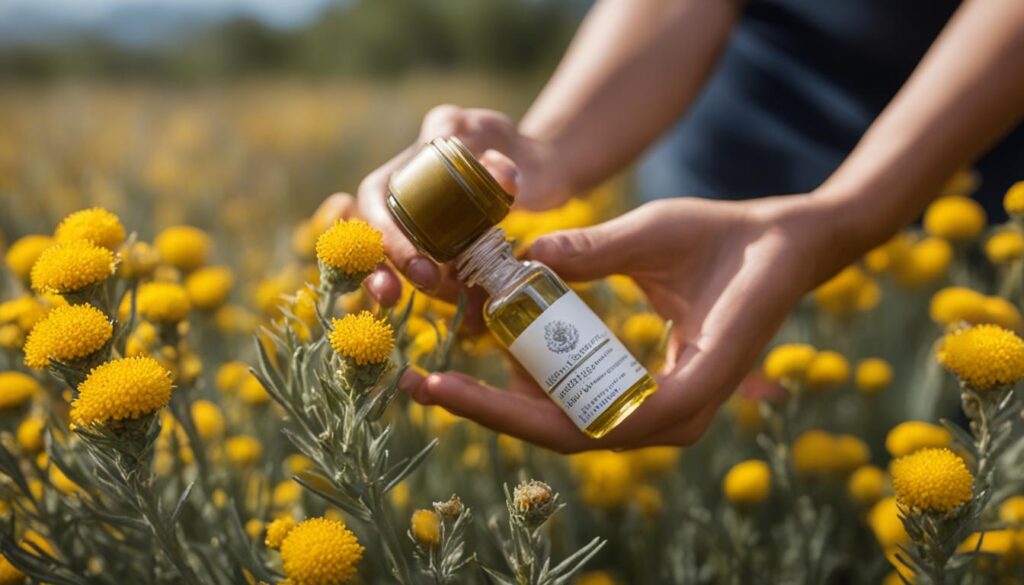
Using Helichrysum essential oil may provide varicose veins relief but it is crucial to be aware of the necessary precautions for safe application. Understanding the potential risks, such as skin sensitivity and allergic reactions, as well as its interaction with medications and medical conditions, can prevent adverse effects and ensure a positive experience.
Skin Sensitivity and Allergic Reactions
When applying Helichrysum oil, it is essential to consider the possibility of allergic contact dermatitis, skin sensitivities, or allergic reactions. To reduce these risks, it is recommended to dilute the oil with a carrier oil before applying it to the skin. Additionally, conducting a skin patch test can help determine compatibility, mitigating potential adverse effects while promoting Helichrysum oil safety.
General rule: Dilute the essential oil with a carrier oil, and perform a skin patch test to ensure compatibility.
Interactions with Medications and Medical Conditions
Another area of concern is the potential interaction of Helichrysum oil with certain medications. As the oil may inhibit liver enzymes involved in medication metabolism, it is essential to consult healthcare professionals if taking medications that might be affected by these interactions. Additionally, ingesting essential oils, including Helichrysum oil, is not advised due to safety concerns.
- Consult with healthcare professionals if taking medication.
- Avoid ingesting essential oils for safety reasons.
In conclusion, adhering to Helichrysum oil precautions can contribute to a safer and more effective application of this powerful essential oil. By being mindful of skin sensitivities, allergic reactions, and potential interactions with medications or medical conditions, users can unlock the potential benefits of Helichrysum oil while prioritizing safety and wellbeing.
Where to Find and How to Choose Quality Helichrysum Oil
When looking to purchase helichrysum oil, you can find high-quality essential oils in health food stores or reputable online retailers catering to the essential oils Australia market. To ensure the quality and purity of your purchase, it is crucial to verify the oil’s Latin name, Helichrysum italicum, on the product label.
It is important to source your helichrysum oil from trusted suppliers to guarantee that you receive genuine Helichrysum italicum essential oil. The efficacy of the oil can differ based on geographical location and climate, which could affect its chemical profile and potency.
Buyers are encouraged to choose products from trusted sources to ensure they receive genuine helichrysum oil.
To help you make an informed decision, here are some factors to consider when sourcing Helichrysum italicum essential oil:
- Look for suppliers with a strong reputation for providing pure and authentic essential oils.
- Ensure the product’s label specifies its botanical name – Helichrysum italicum and the country of origin.
- Check for third-party testing certifications or other quality assurances, such as GC/MS analysis.
- Opt for suppliers with transparent sourcing practices, as they provide information about the origin, cultivation, and processing of their oils.
| Quality Factor | Considerations |
|---|---|
| Reputation | Choose suppliers with a consistent track record of delivering pure and authentic essential oils. |
| Label Information | Ensure the product label states the botanical name, Helichrysum italicum, and country of origin. |
| Third-Party Testing | Seek out certifications or analysis reports that vouch for the oil’s quality, like GC/MS analysis. |
| Transparency | Prioritize suppliers who openly share their sourcing methods, origin, and cultivation process. |
In conclusion, making an informed Helichrysum oil purchase involves selecting products from trusted suppliers, verifying the oil’s botanical name, and considering factors such as geographic origin, climate, and quality assurance. By following these guidelines, you can feel confident in your choice of high-quality Helichrysum italicum essential oil and enjoy its potential benefits.
Lifestyle Tips for Managing and Preventing Varicose Veins

Making simple lifestyle adjustments can significantly impact the prevention and management of varicose veins. By addressing factors such as your diet, exercise habits, and self-care practices, these changes can help relieve discomfort, reduce the risk of developing varicose veins, and improve overall vein health.
Diet, Exercise, and Proper Leg Elevation
Maintaining a balanced diet rich in fibre can aid in supporting good circulatory health. Healthy food choices with antioxidants, vitamins, and minerals can contribute to strengthening vein walls and improving blood flow.
Regular exercise is another essential aspect of managing varicose veins. Engaging in physical activities that involve the lower extremities, such as walking, swimming, and cycling, can promote blood circulation and reduce the pressure on your veins.
Leg elevation is a simple yet effective method to alleviate discomfort caused by varicose veins. Elevating your legs periodically throughout the day, especially after long periods of sitting or standing, can help enhance blood flow and reduce swelling in the affected area.
Additional Natural Remedies and Supportive Practices
Besides lifestyle modifications, other natural approaches can complement traditional treatments for varicose veins. Some of these remedies and practices include:
- Wearing compression stockings to improve blood flow and reduce discomfort and swelling in the legs.
- Utilising herbal remedies like horse chestnut and grape seed extract for their potential benefits in supporting vein health.
- Adopting work habits that reduce leg strain, such as taking breaks to walk around or elevate your legs, alternating between sitting and standing, and maintaining a healthy posture.
By implementing these changes and embracing a proactive approach to vein health, you can experience relief from varicose vein discomfort and enjoy a better quality of life.
Conclusion
In summary, helichrysum essential oil has a storied history and offers promising anti-inflammatory and antimicrobial properties, making it a potentially beneficial natural remedy for varicose vein discomfort. Though traditional practices recommend its use for treating varicose veins, further scientific research is necessary to fully endorse its effectiveness. As with any natural treatment, it’s important to use helichrysum oil with caution, adhering to safety precautions to avoid skin sensitivities and potential interactions with medications.
When it comes to managing varicose veins, a holistic approach incorporating both lifestyle modifications and complementary practices can prove beneficial. These may include adopting a balanced diet, engaging in regular exercise, elevating the legs properly, and exploring additional natural remedies such as compression stockings, herbal extracts, and supportive work habits.
Overall, helichrysum essential oil may serve as a valuable addition to a well-rounded varicose vein management plan, offering symptom relief and improved circulation. Always consult with healthcare professionals to determine the best course of action for your specific needs and seek advice from reputable sources like the Aromatherapy Organisation of New Zealand at info@aromatherapy.org.nz for quality essential oils and aromatherapy guidance.
FAQ
What is Helichrysum italicum, and how is its essential oil obtained?
Helichrysum italicum, also known as the curry plant, is a Mediterranean herb valued for its essential oil. The oil is obtained through steam distillation of its flowers and leaves and is known for its anti-inflammatory, antifungal, and antibacterial properties.
Can Helichrysum essential oil help with varicose veins discomfort?
Although helichrysum oil has been traditionally used for varicose veins discomfort relief and possesses anti-inflammatory properties, its effectiveness in this area requires further scientific research. However, it may still be used as a potential natural remedy for symptom relief alongside lifestyle modifications and complementary practices.
How can Helichrysum essential oil be applied for varicose veins?
For varicose vein relief, helichrysum oil is typically administered topically as a diluted form or part of a cream and massaged into the affected area to soothe pain and reduce inflammation. Alternatively, the oil can be used via aromatherapy and diffusion techniques, but proper care should be taken to avoid potential adverse effects.
What are some complementary essential oils for enhanced circulation?
Several essential oils may help improve circulation and reduce inflammation, potentially supporting the management of varicose veins. These oils include lavender, rosemary, clary sage, cypress, and grapefruit. Each oil has unique properties that can work well in conjunction with helichrysum oil when applied with a carrier oil.
Are there any precautions or safety concerns when using Helichrysum essential oil?
General safety precautions for using helichrysum essential oil include dilution with a carrier oil and conducting a skin patch test to avoid potential allergic contact dermatitis, skin sensitivities, or allergic reactions. It is also essential to consult healthcare professionals before using the oil if taking medications that might be affected by its potential interactions with liver enzymes.
Where can I find and purchase high-quality Helichrysum essential oil?
Quality helichrysum essential oil can be found in health food stores or from reputable online retailers. When purchasing, it’s crucial to verify the oil’s Latin name, Helichrysum italicum, to ensure quality and purity. Always choose products from trusted sources for genuine helichrysum oil, as the quality and efficacy can vary based on geographical location and climate.